
Why Hot-Dip Galvanized Steel is Essential for Your Manual Battery Cage System
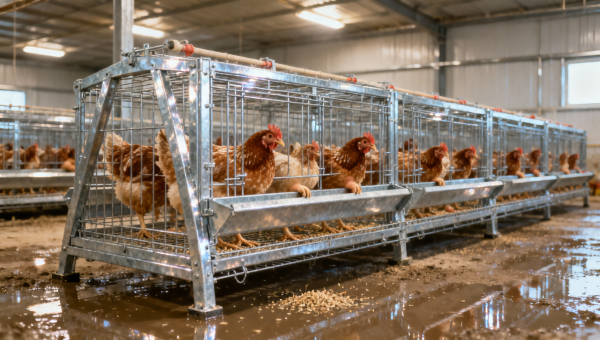
In the harsh environment of a poultry house, equipment is constantly exposed to moisture, droppings, and ammonia gases. These elements are highly corrosive and can destroy low-quality metal cages within a few years. When selecting a
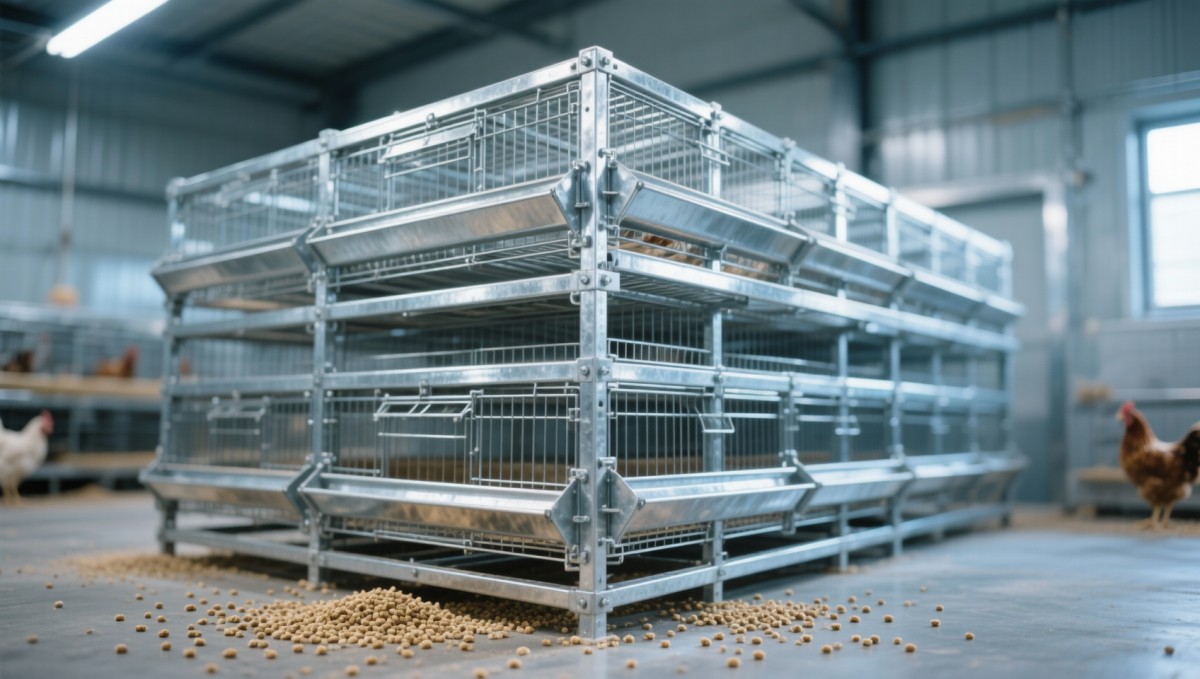
The Science of Hot-Dip Galvanization
Hot-dip galvanizing involves submerging the steel cage components into a bath of molten zinc. This creates a thick, multi-layered coating that is far more durable than cold-galvanized or painted alternatives. For a
Extending Equipment Lifespan
A high-quality
Ease of Cleaning and Hygiene
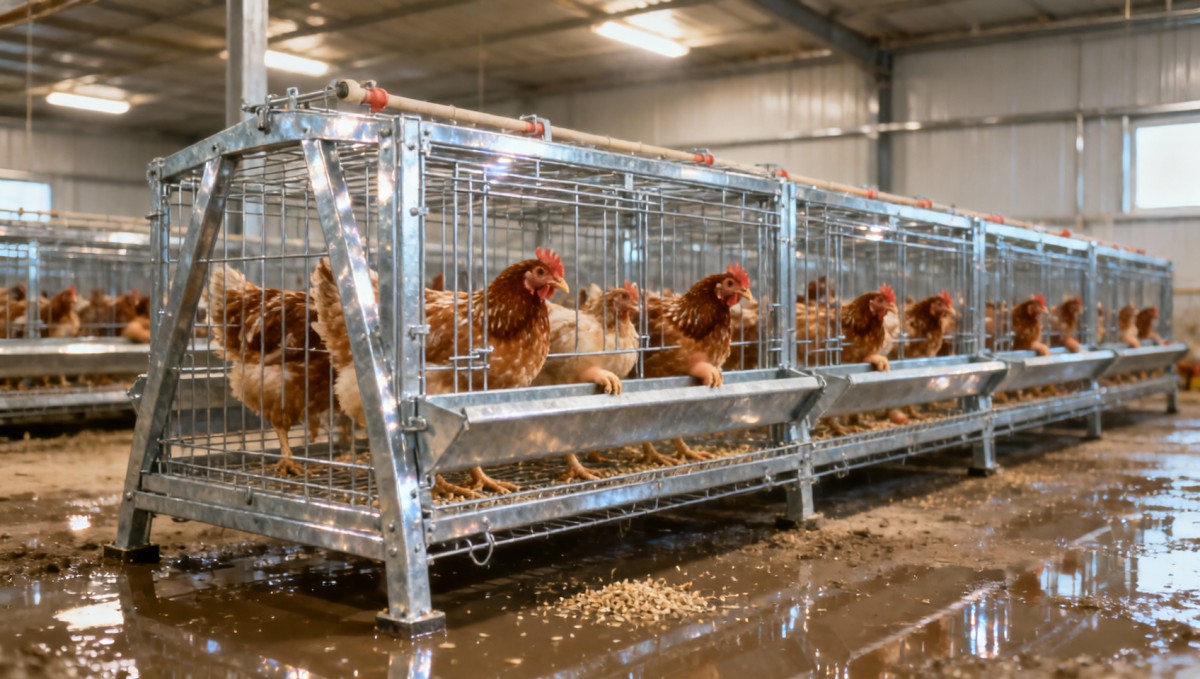
Hygiene is the backbone of poultry success. The smooth, zinc-coated surface of a
Related Intelligence
- Poultry Housing & Caging2026 Food Expo Sets Up 99 Rural Support Zones, Features Guizhou Tianzhu Eggs for Greater Bay Area2026 Food Expo highlights 99 rural support zones, featuring Guizhou Tianzhu's antibiotic-free eggs with Hong Kong supply qualifications. Connect with certified Chinese egg product suppliers for streamlined sourcing.
- Poultry Housing & CagingSausage clipping machine reliability isn’t just about speed — here’s what wears firstSausage clipping machine reliability starts with wear-aware design—critical for meat smoking oven commercial lines, vacuum tumbler for meat systems, and full commercial meat processing equipment workflows.
- Poultry Housing & CagingMaximizing ROI in Large-Scale Egg Production with H-Type AutomationScale your poultry farm for maximum profit. Discover how the >30,000 layers H type automatic battery cage reduces labor costs, eliminates feed waste, and boosts egg production efficiency for industrial-scale operations.
The Morning Broadsheet
Daily chemical briefings, market shifts, and peer-reviewed summaries delivered to your terminal.
