
A-Type vs. H-Type Cages: Which is Better for Small to Medium Poultry Farms?
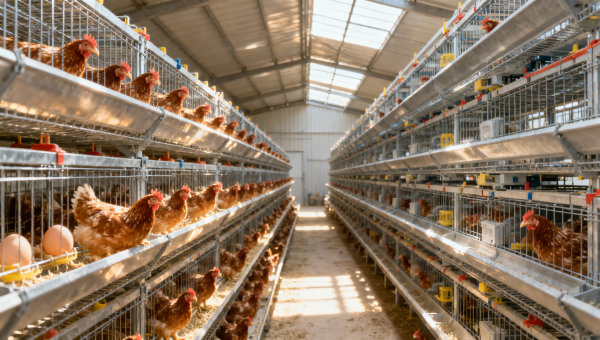
Choosing the right housing system is one of the most critical decisions a poultry farmer will make. While the industry is moving towards high-tech solutions, the choice between A-type and H-type cages often comes down to the scale of operation and available resources. For small to medium-sized enterprises (SMEs), the
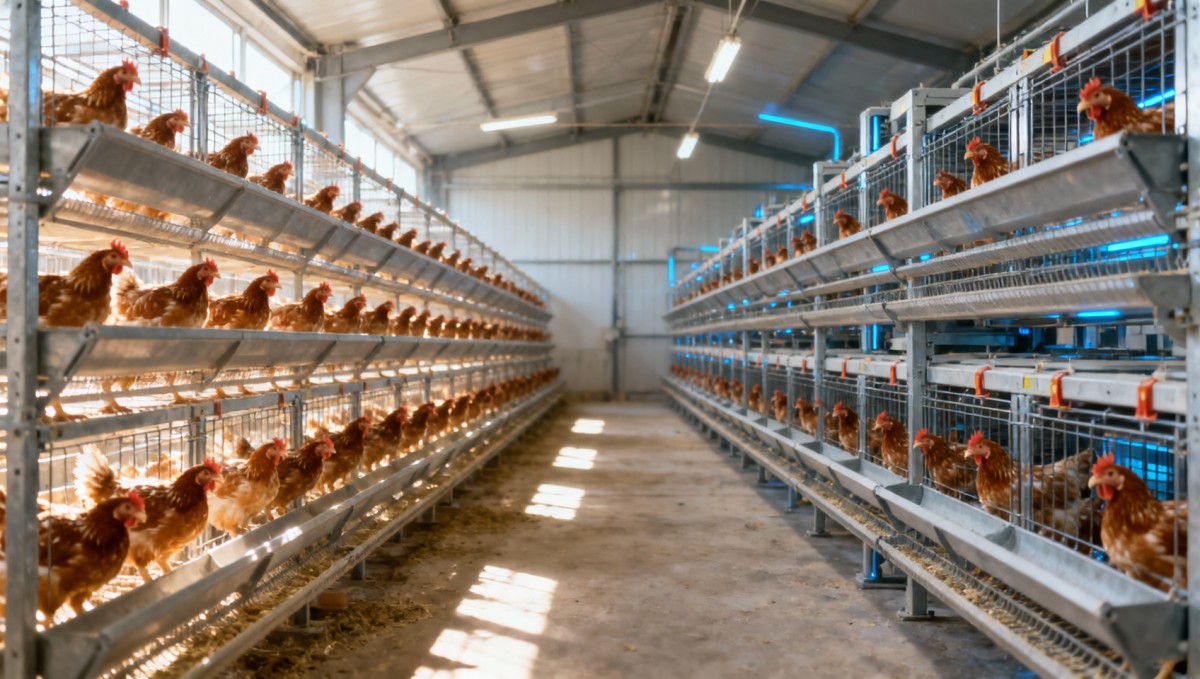
Ventilation and Bird Health
One of the primary advantages of the A-type design is its superior natural ventilation. Because the cages are tiered in a "stepped" fashion, air can circulate freely around each level. This is a crucial factor for farmers in tropical climates. The
Management and Labor Flexibility
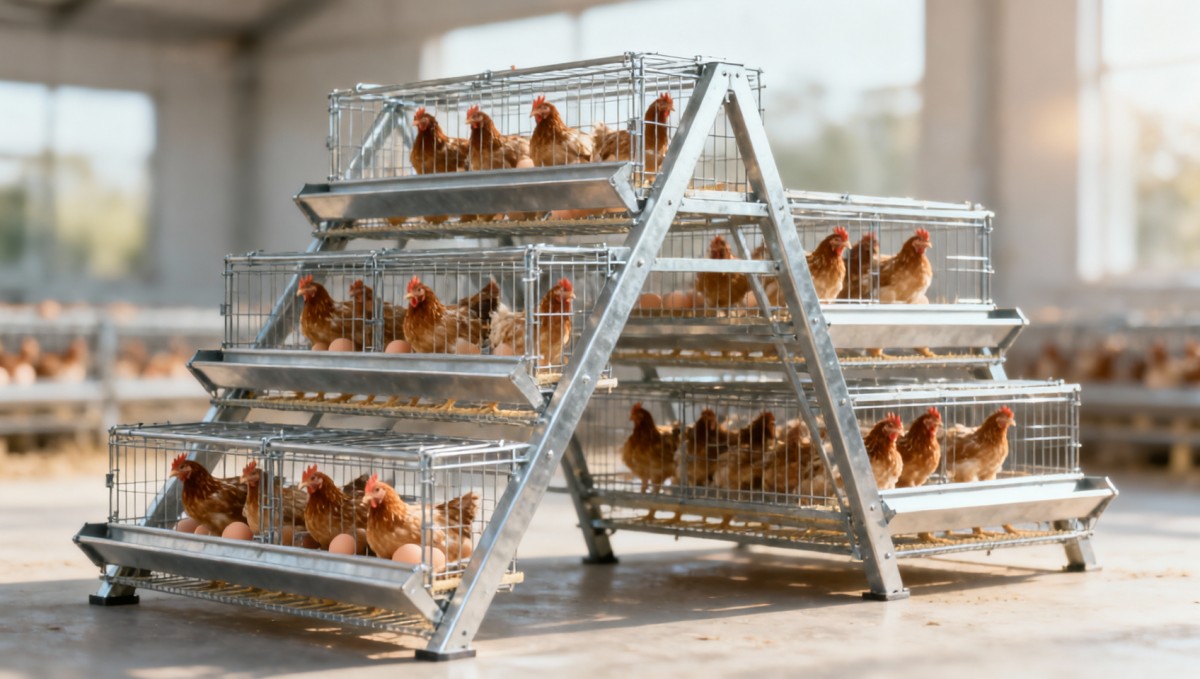
H-type cages are designed for massive automation, which is ideal for farms with over 30,000 birds. however, for a flock of 5,000 or 10,000, the complexity of H-type machinery can be an overkill. The
Installation and Maintenance Costs
The structural simplicity of the
Related Intelligence
- Poultry Housing & Caging2026 Food Expo Sets Up 99 Rural Support Zones, Features Guizhou Tianzhu Eggs for Greater Bay Area2026 Food Expo highlights 99 rural support zones, featuring Guizhou Tianzhu's antibiotic-free eggs with Hong Kong supply qualifications. Connect with certified Chinese egg product suppliers for streamlined sourcing.
- Poultry Housing & CagingSausage clipping machine reliability isn’t just about speed — here’s what wears firstSausage clipping machine reliability starts with wear-aware design—critical for meat smoking oven commercial lines, vacuum tumbler for meat systems, and full commercial meat processing equipment workflows.
- Poultry Housing & CagingMaximizing ROI in Large-Scale Egg Production with H-Type AutomationScale your poultry farm for maximum profit. Discover how the >30,000 layers H type automatic battery cage reduces labor costs, eliminates feed waste, and boosts egg production efficiency for industrial-scale operations.
The Morning Broadsheet
Daily chemical briefings, market shifts, and peer-reviewed summaries delivered to your terminal.
