
Digital Cattle Management System Launched in Qiqihar
Introduction
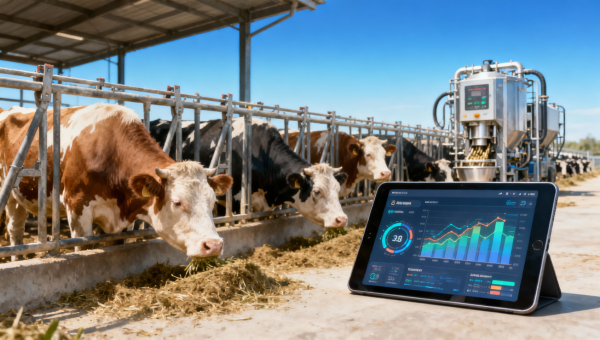
Qiqihar City in Heilongjiang Province has partnered with a tech team to develop a digital production management system for beef cattle, covering feeding, disease monitoring, growth tracking, and slaughter prediction. The system has been deployed in large-scale ranches like Guo Niu Animal Husbandry. With multilingual interfaces and API data export capabilities, it complies with GlobalGAP data collection standards. This development enhances China's beef export capabilities by meeting traceability and welfare farming compliance requirements in premium markets like Japan, South Korea, and the Middle East.
Event Overview
The digital cattle management system in Qiqihar integrates multiple functions, including real-time monitoring of cattle health, automated feeding schedules, and predictive analytics for optimal slaughter timing. The system's adherence to GlobalGAP standards ensures data credibility for international trade. Currently, it has been implemented in several large-scale ranches, with plans for broader adoption.
Impact on Sub-sectors
Beef Export Enterprises
The system provides verifiable digital management, crucial for meeting stringent import requirements in high-end markets. Exporters can leverage this to gain a competitive edge in regions like Japan and the Middle East, where traceability is mandatory.
Livestock Farming Operations
Large-scale ranches can optimize operations through data-driven decisions, reducing costs and improving cattle welfare. Smaller farms may need to consider partnerships or upgrades to remain competitive.
Supply Chain Services
Logistics and processing firms must align with the new digital standards to ensure seamless integration with upstream and downstream partners. This may require investments in compatible systems.
Key Focus Areas for Stakeholders
Monitor Policy Updates
Stay informed about potential subsidies or mandates for digital management systems in livestock farming.
Assess Market Readiness
Evaluate target markets' responsiveness to digitally verified beef products, particularly in regions with strict import regulations.
Upgrade Infrastructure
Invest in compatible technologies or partnerships to integrate with the new system, ensuring supply chain efficiency.
Editor's Perspective
From an industry standpoint, this development signals China's push toward modernizing livestock farming to meet global standards. While still in early stages, the system's potential to streamline exports and improve farm productivity makes it a trend worth watching. The focus should now shift to scalability and adoption rates across different farm sizes.
Conclusion
The launch of Qiqihar's digital cattle management system marks a significant step in aligning China's beef industry with international standards. For now, stakeholders should view this as an opportunity to enhance traceability and market access, while preparing for broader industry digitization.
Source Information
Primary source: Official announcement by Qiqihar City and Guo Niu Animal Husbandry. Ongoing developments in system adoption and policy support require further monitoring.
Related Intelligence
- Feeding & Watering SystemsJiangsu Egg Prices Stable but Shipments Accelerate Amid Rising Cold Chain DemandJiangsu egg prices remain stable as cold chain demand rises, accelerating shipments. Key industries like logistics and packaging must adapt to temperature-controlled solutions for fresh egg exports. Stay ahead with strategic冷链 partnerships.
- Feeding & Watering SystemsTianjin Modernizes Livestock Farming with AI and AutomationDiscover how Tianjin's AI and automation are transforming livestock farming with smart feeding systems and disease prevention. Learn about export-ready solutions for global markets.
- Feeding & Watering SystemsAutomatic bagging machine feed accuracy drifts over time — when should you recalibrate?Automatic bagging machine feed drift affects 50kg bag packaging machine & robot palletizer performance—recalibrate before accuracy drops ±0.3%. Learn when & how.
The Morning Broadsheet
Daily chemical briefings, market shifts, and peer-reviewed summaries delivered to your terminal.
