
Heilongjiang Spring Planting Nears Completion, Rice Soaking Exceeds 70%
Introduction
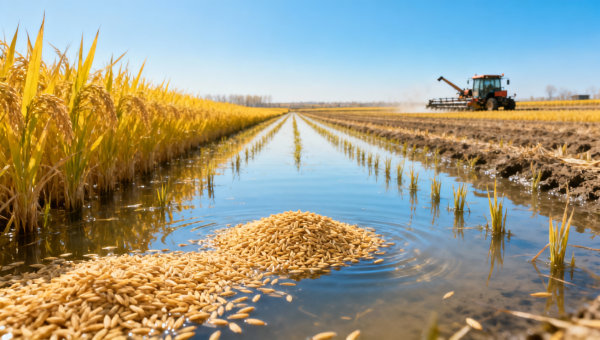
As of April 7, 2026, Heilongjiang Province, China's largest commodity grain base, has nearly completed its spring planting preparations. Over 90% of seeds and fertilizers have been distributed, and rice soaking has surpassed 70%, with wheat planting already covering 0.46 million mu. This accelerated progress signals stable or increased supplies of japonica rice, non-GMO soybeans, and corn in 2026. For importers in Japan, South Korea, Southeast Asia, and Africa, this development suggests an earlier export window and faster inventory turnover for Northeast Chinese rice, soy products, and feed ingredients. Industries involved in grain trade, processing, and logistics should closely monitor Heilongjiang's port clearance efficiency and cold chain coordination.
Event Overview
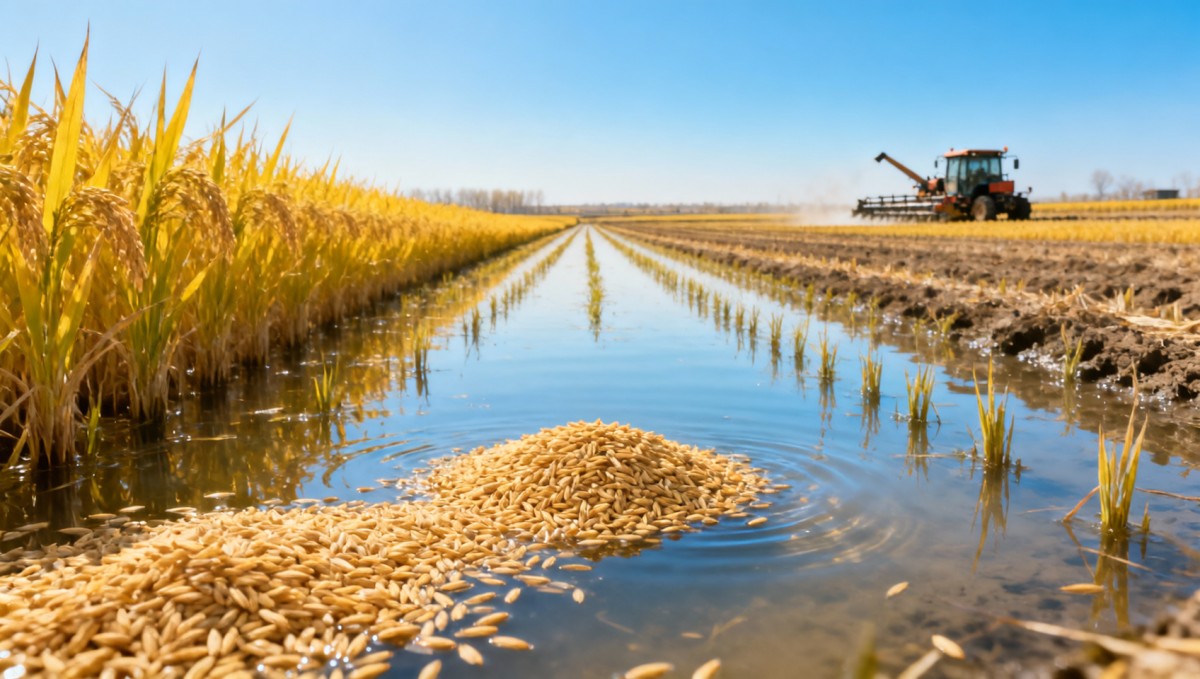
Heilongjiang's spring farming progress as of April 7, 2026, shows:
- Seed and fertilizer distribution exceeds 90% completion
- Rice soaking progress surpasses 70%
- Wheat planting has begun, covering 0.46 million mu
The province's accelerated planting timeline indicates potential early harvests for key crops including japonica rice, non-GMO soybeans, and corn.
Impact on Specific Industries
Grain Trade Enterprises
The advanced planting schedule may lead to earlier harvests and export availability. International buyers, particularly in Asia and Africa, could see Chinese grain shipments arrive 1-2 weeks earlier than typical years. This affects contract timing and inventory planning.
Food Processing Companies
Stable raw material supplies from Heilongjiang suggest consistent production volumes for rice-based products, soy foods, and animal feed. Processors may need to adjust procurement schedules to align with the accelerated harvest timeline.
Logistics and Cold Chain Providers
With potential early harvests, logistics operators should prepare for possible congestion at Heilongjiang's land ports and increased demand for temperature-controlled transportation of soy products.
Key Focus Areas and Recommended Actions
Monitor Port Clearance Updates
Track customs announcements from Heilongjiang border crossings like Suifenhe and Heihe for potential policy adjustments to handle early grain exports.
Review Contract Timelines
Importers may need to modify shipment schedules to accommodate earlier product availability from Northeast China.
Assess Cold Chain Capacity
Businesses handling perishable soy products should verify refrigerator container availability along Heilongjiang-Korean Peninsula shipping routes.
Editor's Perspective
From an industry viewpoint, Heilongjiang's planting progress serves more as a leading indicator than an immediate market changer. The 70% rice soaking completion suggests farmers are following (not significantly ahead of) traditional schedules. More critical will be May-June weather conditions during the crucial germination period. The current data primarily confirms production stability rather than expansion.
Conclusion
Heilongjiang's spring planting progress indicates stable grain output potential for 2026, with possible slight timing advantages for international buyers. While not suggesting major supply changes, the accelerated preparation does warrant attention to logistics planning, particularly for time-sensitive shipments. Market participants should view this as one data point in assessing annual procurement strategies rather than a market-moving development.
Source Information
Primary source: Heilongjiang Provincial Agricultural Department announcement dated April 7, 2026. Ongoing monitoring required for actual harvest yields and quality metrics.
Related Intelligence
- Grain Silos & StorageVietnam's 5% Broken Rice Export Price Rises $5/Ton Amid Middle East ConflictVietnam's 5% broken rice export price rises $5/ton to $375–380 amid Middle East conflict, impacting global importers. Explore key market shifts and strategic responses for rice trade stability.
- Grain Silos & StorageChina's Spring Planting Progress Stable, Wheat & Rice Price Floors StrengthenedChina's stable spring planting progress and raised wheat & rice price floors signal strengthened grain security. Learn how this impacts global trade, processors, and actionable strategies for industry players.
- Grain Silos & StorageCommercial grain silos: Why 2026 buyers are shifting from bolted to welded base designsCommercial grain silos with welded bases boost reliability & cut OPEX—integrate seamlessly with screw conveyor for grain, grain chain conveyor, bucket elevators wholesale, silo temperature monitoring system, and more.
The Morning Broadsheet
Daily chemical briefings, market shifts, and peer-reviewed summaries delivered to your terminal.
