
FAO Adds 12 Chinese Ventilation Firms to Global Climate Control List
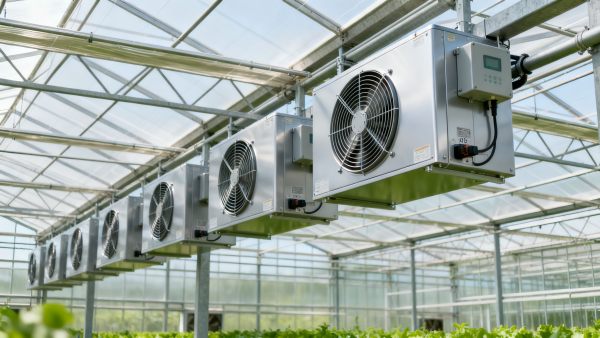
On 22 April 2026, the Food and Agriculture Organization of the United Nations (FAO) released the updated Agricultural Climate Control & Ventilation Systems Global Recommended List (v2026Q2), adding 12 Chinese manufacturers. This development is particularly relevant for stakeholders in agricultural equipment export, climate-controlled facility construction, precision farming infrastructure, and international public procurement — especially where FAO-referenced specifications influence tender requirements.
Event Overview
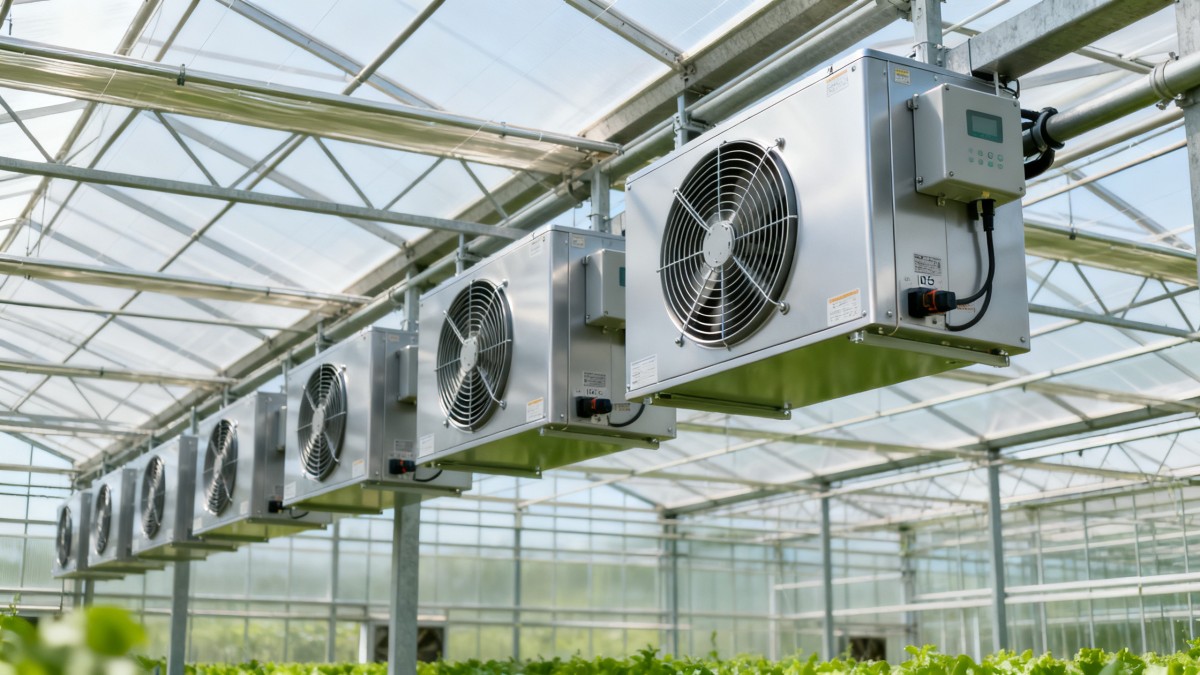
On 22 April 2026, the FAO published version v2026Q2 of its Agricultural Climate Control & Ventilation Systems Global Recommended List. The update includes 12 newly listed Chinese companies across four product categories: intelligent environmental control hosts, negative-pressure fans, CO₂ generators, and cloud-based environmental control platforms. All listed firms have passed FAO-ISO 22000 compatibility audits and completed three years of on-site operational performance evaluation. The list is formally cited in public procurement tenders by the Ministries of Agriculture of 23 countries, including Egypt, Kenya, and Mexico.
Which Subsectors Are Affected
Direct Exporters of Agricultural Climate Equipment
These enterprises face immediate implications for market access and tender eligibility. Since the FAO list is directly referenced in government procurement processes across 23 countries, inclusion serves as a de facto technical prequalification — reducing documentation burdens and shortening bid preparation cycles in those jurisdictions.
Manufacturers of Integrated Controlled-Environment Agriculture (CEA) Systems
Firms integrating ventilation, CO₂ management, and cloud monitoring into turnkey greenhouse or vertical farm solutions may see increased demand for interoperable components. The listing signals growing international acceptance of Chinese-made subsystems, potentially easing integration into multi-vendor international projects.
Suppliers of Core Components (e.g., Fan Motors, Sensors, Controllers)
While the FAO list covers end-system vendors, not component suppliers, downstream demand shifts may indirectly affect upstream players. A sustained increase in export volumes from listed firms could raise order volumes and quality expectations for certified subcomponents — especially those aligned with ISO 22000-related traceability and food safety-linked operational protocols.
Distributors and Local After-Sales Service Providers in Target Markets
In countries where the FAO list influences public tenders — such as Egypt and Kenya — local partners of newly listed Chinese firms may experience heightened inquiries and service contract opportunities. However, the FAO’s requirement for three-year on-site operational validation implies that long-term field support capability is now an explicit part of international credibility.
What Relevant Enterprises or Practitioners Should Monitor and Do Now
Track official FAO communications on list maintenance and next revision timeline
The v2026Q2 edition is time-stamped and versioned; the FAO has not yet announced the schedule for v2026Q3 or v2027Q1. Monitoring FAO’s official updates — especially any changes to audit criteria or geographic scope — will help anticipate shifts in qualification thresholds.
Verify whether specific product models — not just company names — are referenced in national tender documents
Some procuring entities cite the FAO list generically, while others require model-level verification against the published annexes. Exporters should cross-check tender language against the official FAO document to avoid assuming blanket eligibility for all products under a listed brand.
Distinguish between policy signal and procurement reality
Although 23 countries ‘reference’ the list, referencing does not equal mandatory adoption. Analysis来看, actual tender uptake varies significantly by country — e.g., Egypt has integrated FAO-listed status into its national greenhouse subsidy program, whereas Kenya applies it selectively in pilot projects. Enterprises should map referencing depth per jurisdiction before reallocating sales resources.
Prepare documentation aligned with FAO-ISO 22000 compatibility requirements
The audit pathway emphasizes food safety–linked process controls — not just product conformity. Firms not yet listed but aiming for future inclusion should review their production records, calibration logs, and maintenance histories through that lens, rather than focusing solely on CE or CCC marks.
Editorial Perspective / Industry Observation
From industry angle, this update is less a one-time milestone and more a structural signal: FAO is formalizing technical due diligence for climate control systems in food production settings — moving beyond generic ‘agri-tech’ labels toward verifiable, field-validated performance. It reflects growing convergence between food safety governance (ISO 22000) and controlled-environment infrastructure standards. Observation来看, the emphasis on three-year operational data suggests FAO prioritizes real-world reliability over lab-tested specs — a shift that rewards consistency over novelty. Current more appropriate interpretation is that the list functions as a high-trust filter for public-sector buyers, not a commercial endorsement — its value lies in reducing procurement risk, not driving B2C demand.
Conclusion
This FAO update does not alter global trade rules, but it does recalibrate technical credibility benchmarks for climate control equipment in agriculture. Its significance lies not in scale, but in standardization: it introduces a shared, auditable reference point for performance, compliance, and service continuity across diverse national procurement systems. For industry actors, it is best understood not as a market entry ‘key’, but as a visibility threshold — one that rewards documented operational discipline over promotional claims.
Information Sources
Main source: FAO official publication — Agricultural Climate Control & Ventilation Systems Global Recommended List (v2026Q2), issued 22 April 2026.
Note: FAO’s methodology for selecting the 23 referencing countries, and the extent of domestic implementation in each, remains unconfirmed and requires ongoing observation.
Related Intelligence
- Climate Control & VentilationFAO Adds 12 Chinese Ventilation Firms to Global Climate Control ListFAO adds 12 Chinese ventilation firms to its global climate control list — boosting export eligibility, tender access & credibility for agri-climate equipment.
- Climate Control & VentilationFAO Adds 12 Chinese Climate Control Firms to Global ListFAO adds 12 Chinese climate control firms to its Global Qualified Supplier List—unlocking FAO South-South Cooperation procurement access for certified agricultural ventilation equipment.
- Climate Control & VentilationFAO Launches Global Climate Control White List with 12 Chinese FirmsFAO's new Climate Control White List features 12 Chinese firms — discover how ISO 50001 & IEC 60335-2-80 compliance boosts global agri-export opportunities.
The Morning Broadsheet
Daily chemical briefings, market shifts, and peer-reviewed summaries delivered to your terminal.
