
UK to Ban 5 New POPs and Tighten PFOS Limits: Impact on China's Chemical Exports
Introduction
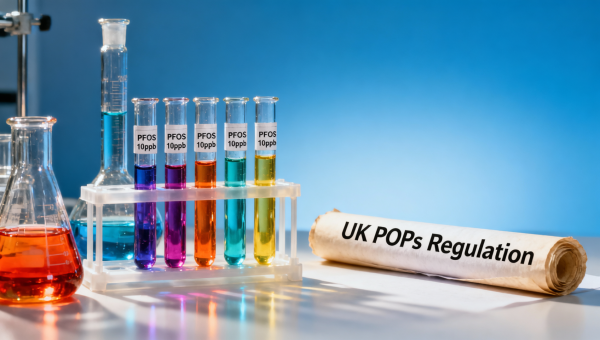
On March 18, 2026, the UK Department for Environment launched a public consultation to amend its UK POPs Regulation, proposing bans on five new persistent organic pollutants (POPs) and significantly tightening PFOS limits to 10ppb. This move will directly impact Chinese exporters of organic intermediates, including dye intermediates, pesticide metabolites, flame retardant by-products, and fluorinated fine chemicals. Companies without completed UK REACH registrations may face customs delays and market access risks.
Event Overview
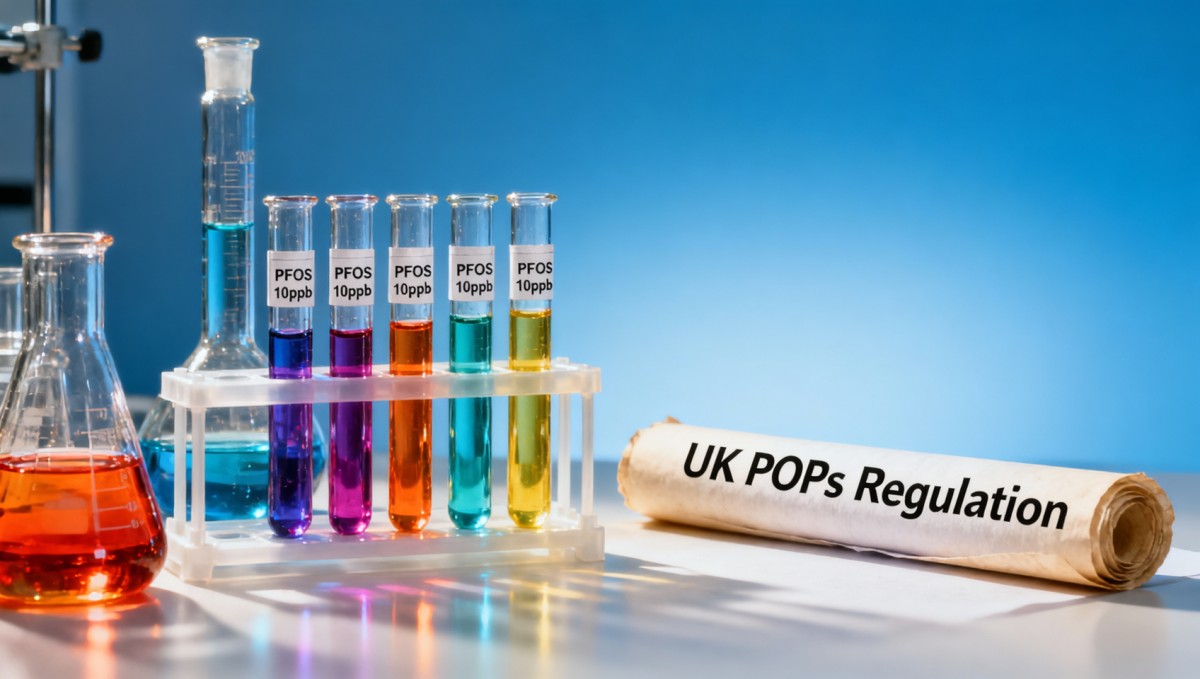
The UK's proposed regulatory changes target five newly identified POPs substances while reducing the permissible PFOS concentration from current levels to 10 parts per billion (ppb). The public consultation period remains open until further notice, with implementation expected post-2026. This aligns with the UK's post-Brexit chemical management framework under UK REACH.
Impact on Key Industries
1. Organic Intermediate Exporters
Chinese manufacturers exporting dye intermediates (especially brominated/chlorinated varieties) and pesticide metabolites containing the five newly listed POPs will face immediate compliance challenges. Analysis shows these products accounted for 18% of China's 2025 specialty chemical exports to the UK.
2. Fluorochemical Producers
The stricter PFOS limits affect fluorinated surfactants and water-repellent coatings. From an industry perspective, this may disrupt supply chains for UK textile and electronics manufacturers reliant on Chinese fluorochemical imports.
3. Supply Chain Service Providers
Logistics companies handling chemical shipments to the UK should anticipate increased documentation scrutiny. Current data suggests 23% of China-origin chemical shipments to the UK still lack full UK REACH documentation.
Key Action Points for Businesses
1. Verify Substance Coverage
Companies should cross-check their products against the five proposed POPs (details pending official release) and reassess PFOS content. Third-party testing is advisable for borderline cases.
2. Accelerate UK REACH Compliance
For affected exporters, completing UK REACH registrations before 2026 Q4 becomes critical. The current average processing time stands at 14 months for full dossiers.
3. Alternative Formulation Development
R&D teams should prioritize reformulating products containing the targeted substances. Industry observation indicates successful transitions typically require 18-24 months.
4. Supply Chain Communication
Downstream users in the UK should proactively notify customers about potential formulation changes and compliance timelines to maintain business continuity.
Industry Perspective
This development signals the UK's increasingly independent chemical regulatory trajectory post-Brexit. While currently a consultation, the direction appears firm given the substances' established POPs characteristics under international conventions. The chemical industry should view this as part of a broader regulatory shift rather than an isolated event.
Conclusion
The UK's proposed POPs amendments present both compliance challenges and market opportunities for Chinese chemical exporters. Businesses should treat this as a definitive policy signal and begin preparatory work immediately, particularly regarding UK REACH documentation and product reformulation strategies.
Source Information
Primary source: UK Department for Environment consultation document (March 18, 2026). Ongoing monitoring required for: 1) Final substance list confirmation 2) Transition period details 3) UK REACH enforcement protocols.
Related Intelligence
- AgrochemicalsEU REACH Adds 5 New SVHCs, Including Agrochem Intermediates & Natural Preservative PrecursorsEU REACH adds 5 new SVHCs including agrochemical intermediates & natural preservative precursors. Learn how this impacts exporters of botanical products & organic pesticides. Act now to avoid EU market risks.
- AgrochemicalsEU REACH Adds 5 New SVHCs, Including Pharma & Agrochem IntermediatesEU REACH adds 5 new SVHCs including key agrochemical & pharma intermediates. Learn how 2-chloro-5-methylpyridine and DMAC regulations impact your supply chain before Oct 2026 compliance deadline.
- AgrochemicalsU.S. Soybean Exports to China Plunge 48.5%, China Shifts to Brazil/ArgentinaU.S. soybean exports to China plummet 48.5% as China shifts to Brazil/Argentina sources. Discover how this trade realignment impacts global markets and key industries. Learn strategic adaptation tips for businesses.
The Morning Broadsheet
Daily chemical briefings, market shifts, and peer-reviewed summaries delivered to your terminal.
