

The Authority in Global Agricultural Chemistry & Bio-Resources
Agricultural plastic mulch film choices that change weed pressure
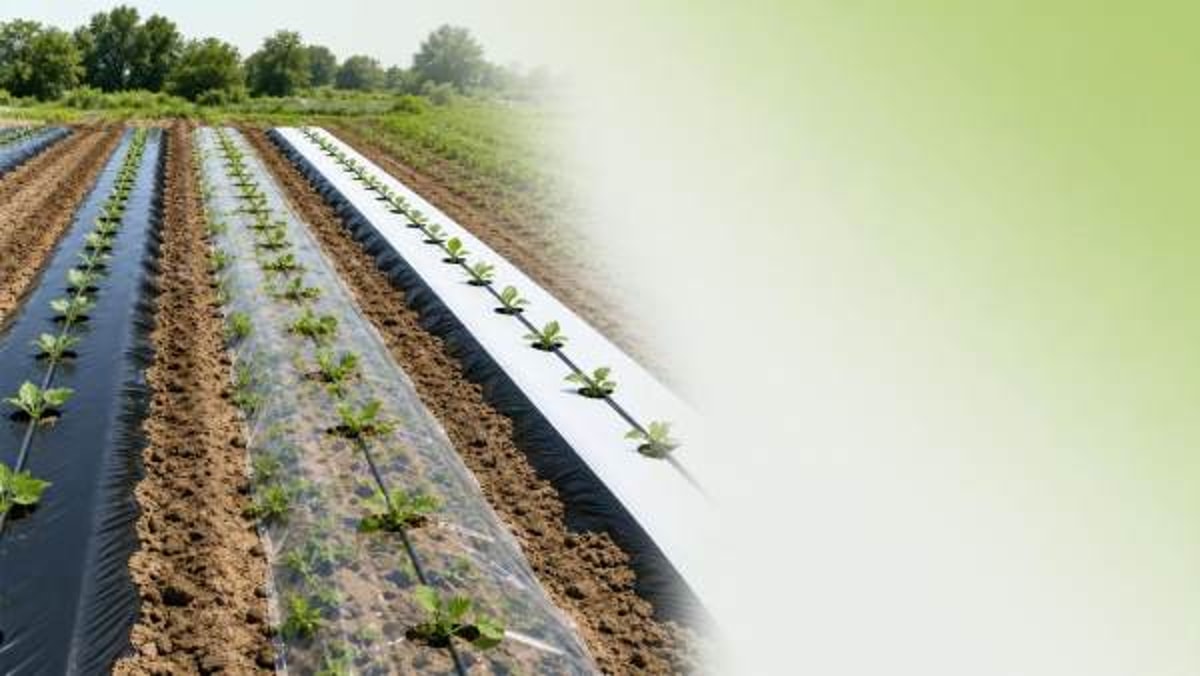
Choosing the right agricultural plastic mulch film can significantly alter weed pressure, crop uniformity, and field management costs. For growers, procurement teams, and technical researchers, understanding how film color, thickness, permeability, and durability influence weed suppression is essential for making data-driven decisions. This article examines the mulch film choices that most directly affect weed pressure and the operational outcomes tied to each option.
Why weed pressure decisions change by field scenario
In practice, agricultural plastic mulch film is not chosen in a vacuum. The same film that performs well in a long-season tomato field may be a poor fit for short-cycle leafy vegetables, perennial orchards, or high-rainfall beds with aggressive sedge emergence. Weed pressure is shaped by more than the weed seedbank alone. Soil temperature, light transmission, irrigation method, bed shape, crop spacing, labor availability, disposal rules, and desired harvest window all influence whether a mulch film becomes a weed-control asset or a costly compromise.
For information researchers and procurement teams, this means the better question is not simply, “Which agricultural plastic mulch film is best?” but rather, “Which film specification best suppresses weeds under this exact production scenario?” That scenario-based view matters because film color, opacity, gauge, and lifetime affect both direct weed suppression and the hidden costs of reweeding, re-laying film, crop contamination, and yield inconsistency.
A practical framework for comparing agricultural plastic mulch film options
Before selecting a product, users should evaluate five variables together: expected weed spectrum, crop duration, climate intensity, irrigation design, and end-of-season handling. These variables determine whether the film should prioritize high light blocking, soil warming, puncture resistance, moisture balance, or removability. In many commercial settings, weed pressure is reduced most effectively when the film aligns with the crop system rather than when it simply has the darkest appearance or lowest upfront cost.
A useful procurement lens is to connect film characteristics to field consequences:
- Color and opacity determine how much light reaches germinating weeds.
- Thickness affects tearing, longevity, and resistance to weed breakthrough.
- Thermal behavior changes crop vigor and can indirectly alter canopy closure speed.
- Perforation and permeability influence moisture, gas exchange, and localized weed escape.
- Mechanical strength affects installation quality, which directly impacts gaps where weeds emerge.
Typical field scenarios where mulch film choice changes weed outcomes
Short-cycle vegetables with rapid turnover
In crops such as lettuce, spinach, herbs, and some brassicas, the growing window is short, but weed competition can be economically damaging because appearance standards are strict and hand weeding is expensive. Here, agricultural plastic mulch film often needs reliable opacity and easy installation more than extreme long-term durability. Black mulch is commonly favored because it blocks light effectively and reduces early flushes of annual weeds. However, if the film is too thin for windy sites or rough beds, tears around planting holes can become weed escape points.
Warm-season fruiting crops with long field occupancy
Tomato, pepper, eggplant, melon, and strawberry systems often keep beds covered for an extended period. In these scenarios, weed suppression must remain stable over months, not weeks. The film must resist UV exposure, root-zone temperature swings, and mechanical stress from irrigation maintenance and harvest traffic. A lower-cost film may appear attractive at purchase, but if it degrades mid-season, weed pressure can rise sharply and removal costs can increase. Long-season users therefore tend to prioritize thicker, more durable agricultural plastic mulch film with verified field-life consistency.
Cool-season production where soil warming matters
Some growers need mulch not only for weed control but also for earlier establishment. Clear or wavelength-selective films can increase soil temperature, yet they often allow more weed germination if not paired with fumigation, herbicide strategy, or stale seedbed management. This is one of the most common scenario mismatches. A film selected for heat gain may worsen weed pressure unless the whole field program accounts for that tradeoff.
Organic and reduced-herbicide programs
In operations where herbicide options are limited or avoided, agricultural plastic mulch film carries more of the weed-control burden. That increases the importance of edge sealing, bed shaping, and row-middle management. Even highly opaque film will underperform if wind lifts edges or if perennial weeds invade from uncovered zones. For these programs, the right film is usually one component of a broader suppression design that includes cultivation between rows, cover crop residue management, and labor planning for escapes around transplant holes.
Large-scale mechanized farms versus smaller diversified operations
Large farms often optimize for installation speed, machine compatibility, and uniform roll quality because small defects become major labor costs across many hectares. Smaller farms may accept slower installation if the film offers better weed suppression in specialty beds or aligns with local disposal constraints. In other words, the best agricultural plastic mulch film for an industrial farm may not be the same as the best option for a diversified operation selling premium produce through shorter supply chains.
Scenario comparison table: which film traits matter most
The table below summarizes how different production scenarios shift the decision criteria for agricultural plastic mulch film and expected weed pressure outcomes.
How color choice changes weed pressure in real use
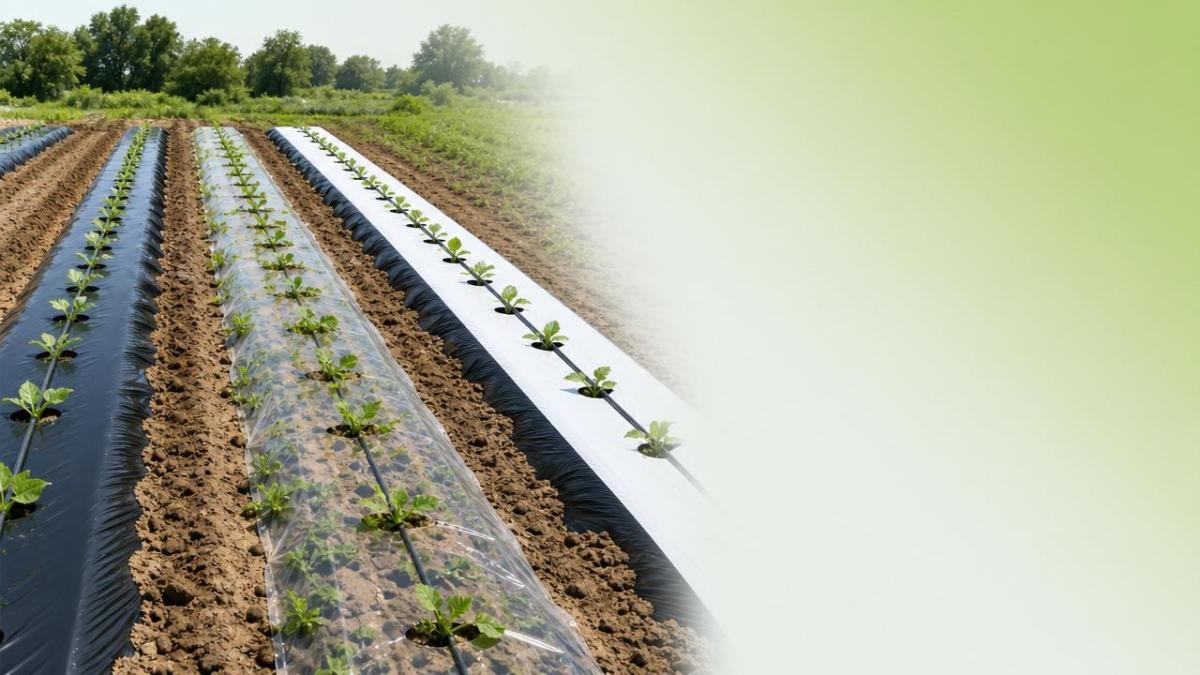
Color is often the first selection factor, but it should be read as a scenario decision rather than a cosmetic one. Black agricultural plastic mulch film remains the standard for suppressing many weeds because it blocks most incoming light. It is generally the safest default when the goal is direct weed suppression with predictable field performance.
Clear film behaves differently. It can boost soil warmth and support early crop growth, but it also allows weed germination unless paired with pre-plant control measures. Infrared-transmitting films may offer middle-ground performance in some climates, but users should verify how much photosynthetically active radiation still reaches the soil surface. White-on-black or reflective films may be selected for heat management and pest behavior, yet the underside opacity remains critical. If the black layer is too thin or inconsistent, weeds may still respond to transmitted light.
In procurement reviews, asking for opacity data, multilayer construction details, and field-use references is often more valuable than relying on color description alone. Two black films can behave differently if resin quality, carbon loading, or manufacturing consistency differs.
Thickness, durability, and the hidden economics of weed suppression
A common mistake is assuming weed suppression depends only on darkness. In reality, thickness and structural integrity matter because weeds exploit weak points. Thin agricultural plastic mulch film may lower initial material spend, but if it punctures easily during laying, transplanting, or fertigation maintenance, those openings become concentrated weed sites. Once escapes establish around damaged areas, labor demand rises and harvest efficiency declines.
Thicker films tend to perform better where fields are stony, windy, or occupied for a long season. They are also more forgiving when machinery, workers, or wildlife disturb the bed. However, thicker is not always better if removal costs, disposal charges, or application equipment limitations are significant. The correct approach is to match thickness to field stress. A short-cycle protected crop may not need the same gauge as an exposed open-field pepper program in a hot region with frequent storm events.
Less obvious variables: permeability, bed design, and irrigation interaction
Some weed pressure problems blamed on mulch film actually begin with poor system integration. If beds are uneven, films bridge over depressions and leave light pockets where weeds can establish. If drip lines are misplaced, moisture may collect in unintended zones and favor emergence near planting holes. If edge burial is shallow, wind loosens the film and exposes margins to invasive species. In these cases, even premium agricultural plastic mulch film will appear ineffective.
Perforated or more breathable films can support specific crop establishment goals, but they may also create more opportunities for weed breakthrough. This does not make them inherently wrong; it means they belong in carefully defined scenarios. Researchers evaluating field performance should therefore separate material failure from installation failure and agronomic mismatch.
Common scenario misjudgments to avoid
- Selecting for early soil warming without planning for increased weed germination.
- Using low-cost thin film in long-season crops where degradation invites late weed pressure.
- Assuming color alone predicts suppression, while ignoring opacity consistency and film structure.
- Overlooking row-middle weeds, which can reinfest planting holes and field edges.
- Failing to check compatibility with mulch-laying equipment, causing wrinkles and light leaks.
- Ignoring disposal, retrieval, or recycling realities when comparing total cost.
What procurement teams and technical users should confirm before choosing
For practical decision-making, a good specification review should include field-life target, crop duration, expected weed species, climate profile, bed dimensions, machine setup, and disposal pathway. It is also wise to request supplier information on tensile strength, elongation behavior, UV package, and layer construction. In institutional purchasing environments, these details support more reliable comparison than brochure claims about superior weed control.
If trialing a new agricultural plastic mulch film, run it in a representative block rather than an unusually clean field. Measure not only visible weed cover but also installation speed, number of tears per length, edge retention after wind events, and labor spent on escapes. Those operational metrics often reveal the true difference between acceptable and high-performing film.
Frequently asked questions about agricultural plastic mulch film and weed pressure
Is black mulch always the best choice for weed control?
Not always, but it is often the safest starting point where weed suppression is the primary objective. Other films may fit better when thermal management, pest response, or specific crop timing is equally important.
Can clear mulch increase weed pressure?
Yes. Clear agricultural plastic mulch film can warm soil effectively, but it may also permit strong weed germination unless combined with additional weed-control measures.
Does thicker film always reduce weeds better?
Not directly. Thickness helps by reducing tears, stretching damage, and breakthrough points. Weed suppression still depends on opacity, installation quality, and field management.
Final selection guidance by scenario
The most effective agricultural plastic mulch film is the one that matches the field scenario, not the one with the broadest marketing claim. For short-cycle vegetable systems, prioritize dependable light blocking and practical handling. For long-season fruiting crops, emphasize durability and resistance to breakdown. For early-season warming programs, weigh thermal gain against weed stimulation. For organic or reduced-herbicide operations, treat the film as part of a full weed-management design rather than a standalone fix.
If you are comparing options for research, sourcing, or commercial deployment, begin with the scenario: crop duration, weed spectrum, field stress, and labor economics. Once those conditions are clear, the right agricultural plastic mulch film becomes much easier to identify, test, and justify.
Related Intelligence
- AgrochemicalsWeed control fabric roll choices that lower replacement frequencyWeed control fabric roll buying guide: compare weight, UV resistance, permeability, and tear strength to reduce replacement frequency, cut maintenance, and choose longer-lasting landscape results.
- AgrochemicalsAgricultural plastic mulch film choices that change weed pressureAgricultural plastic mulch film choices can dramatically change weed pressure, durability, and field costs. Compare color, thickness, and scenario fit to choose smarter and grow more efficiently.
- AgrochemicalsAgricultural fogging machines: where coverage and safety conflictAgricultural fogging machines improve field coverage fast, but can they meet safety, residue, and compliance demands? Explore the hidden trade-offs before you buy.
The Morning Broadsheet
Daily chemical briefings, market shifts, and peer-reviewed summaries delivered to your terminal.
