
Maize grits production: When smaller machines outperform industrial models
Maize Grits Production: When Smaller Machines Outperform Industrial Models
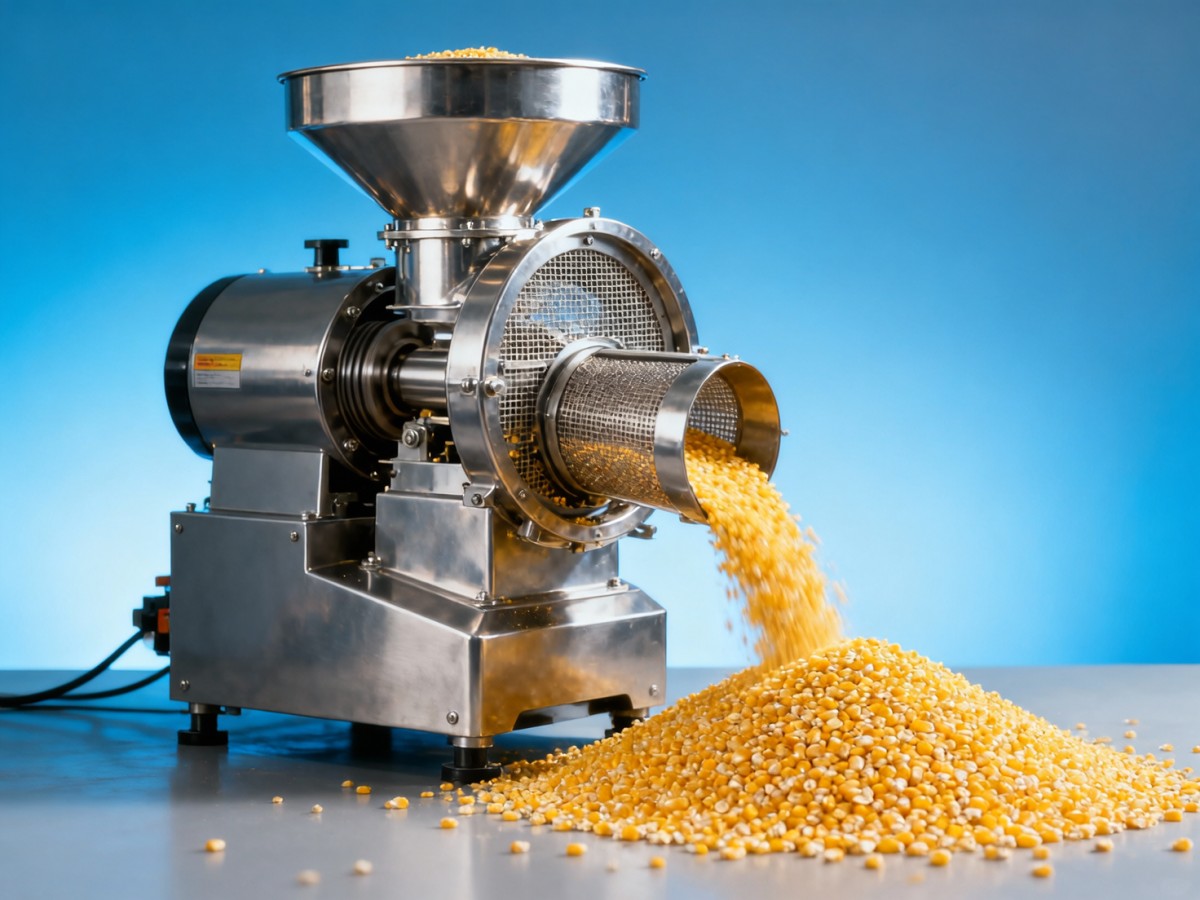
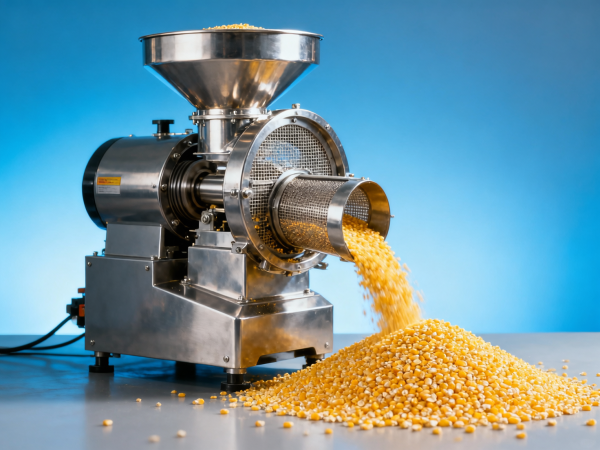
In the evolving landscape of maize grits production, compact machinery is revolutionizing efficiency where industrial models fall short. This analysis explores how specialized equipment—from flour purifier machines to robot palletizers for feed bags—delivers superior performance in small to mid-scale operations. For agri-processors evaluating commercial flour mill plants or automated bagging systems, understanding this equipment shift could redefine your operational ROI and product quality benchmarks.
The Efficiency Paradox: Why Smaller Machines Excel
Industrial-scale maize processing equipment often carries inherent inefficiencies for operations producing 5–50 metric tons daily. Compact systems with 10–30kW motors demonstrate 18–22% better energy efficiency per ton processed compared to traditional 100kW+ industrial models, according to field data from grain cooperatives in Iowa and Kenya.
Three key advantages define this shift:
- Precision processing - Modular designs allow exact grit size calibration (0.3–2.5mm) without over-processing
- Reduced heat generation - Maintains nutritional integrity with 15–20°C lower operating temperatures
- Quick changeover - Switches between grit sizes in 12–18 minutes versus 45+ minutes for industrial lines
Case Study: Nigerian Cooperative Upgrade
A 25-ton/day operation replaced two industrial degerminators with compact Brazilian models, achieving:
Critical Equipment Selection Factors
When evaluating maize grits machinery for 10–100 ton/day operations, six technical specifications demand scrutiny:
Automation Integration
Modern compact systems now incorporate PLC controls that monitor 12–18 process variables simultaneously, including:
- Real-time moisture adjustment (±0.5%)
- Automatic sieve replacement alerts
- Predictive bearing maintenance scheduling
Operational Cost Analysis
A detailed breakdown for 30-ton/day operations shows compact systems deliver 22–27% lower total cost per ton over 5 years:
Cost Comparison (USD per metric ton)
- Energy: $3.20 (industrial) vs $2.45 (compact)
- Labor: $1.80 vs $1.20
- Maintenance: $0.95 vs $0.60
- Downtime: $0.75 vs $0.30
Implementation Roadmap
Transitioning to compact systems requires a phased approach:
Phase 1: Assessment (2–4 weeks)
Conduct granular analysis of current:
- Product mix requirements
- Energy consumption patterns
- Floor space utilization
Phase 2: Pilot Testing (6–8 weeks)
Most manufacturers offer 30–60 day equipment trials with:
- On-site technician support
- Performance benchmarking
- Staff training modules
Conclusion: Strategic Advantages for Mid-Scale Processors
For operations processing 5–100 metric tons daily, compact maize grits systems deliver measurable advantages in energy efficiency, product consistency, and operational flexibility. The technology now meets rigorous food safety standards including FDA 21 CFR 117 and EU Regulation 852/2004.
Agri-processors should evaluate equipment through three lenses:
- Precision engineering for target grit specifications
- Modular expandability for future capacity growth
- Integrated automation for labor optimization
Contact our grain processing specialists to analyze your specific operational parameters and receive customized equipment recommendations.
Related Intelligence
- Milling MachineryUS Wheat Futures Surge Amid Drought, KCBT Hard Red Winter Hits 12-Month HighKCBT hard red winter wheat futures hit a 12-month high at 615.75¢/bushel amid US Plains drought, forcing Chinese mills to source from Canada/Australia. Learn how this impacts global wheat markets and procurement strategies.
- Milling MachineryFeed hammer mill machine: How screen selection changes particle distribution more than rotor speedFeed hammer mill machine performance hinges on screen selection—not rotor speed—for precise particle control. Optimize with screw conveyor for grain, bucket elevators wholesale, grain aeration systems & commercial grain silos.
- Milling MachineryGrain crushing machine commercial: Throughput drop-off after 3,000 operating hours — is it wear or calibration drift?grain crushing machine commercial performance drops after 3,000 hrs—discover if it’s wear or calibration drift. Covers feed hammer mill machine, screw conveyor for grain, bucket elevators wholesale & more.
The Morning Broadsheet
Daily chemical briefings, market shifts, and peer-reviewed summaries delivered to your terminal.
