
Commercial flour plants: The automation threshold for small operators
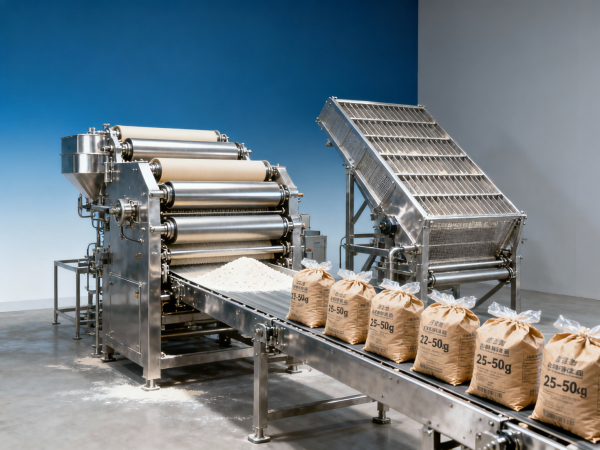
The Automation Revolution in Small-Scale Flour Milling
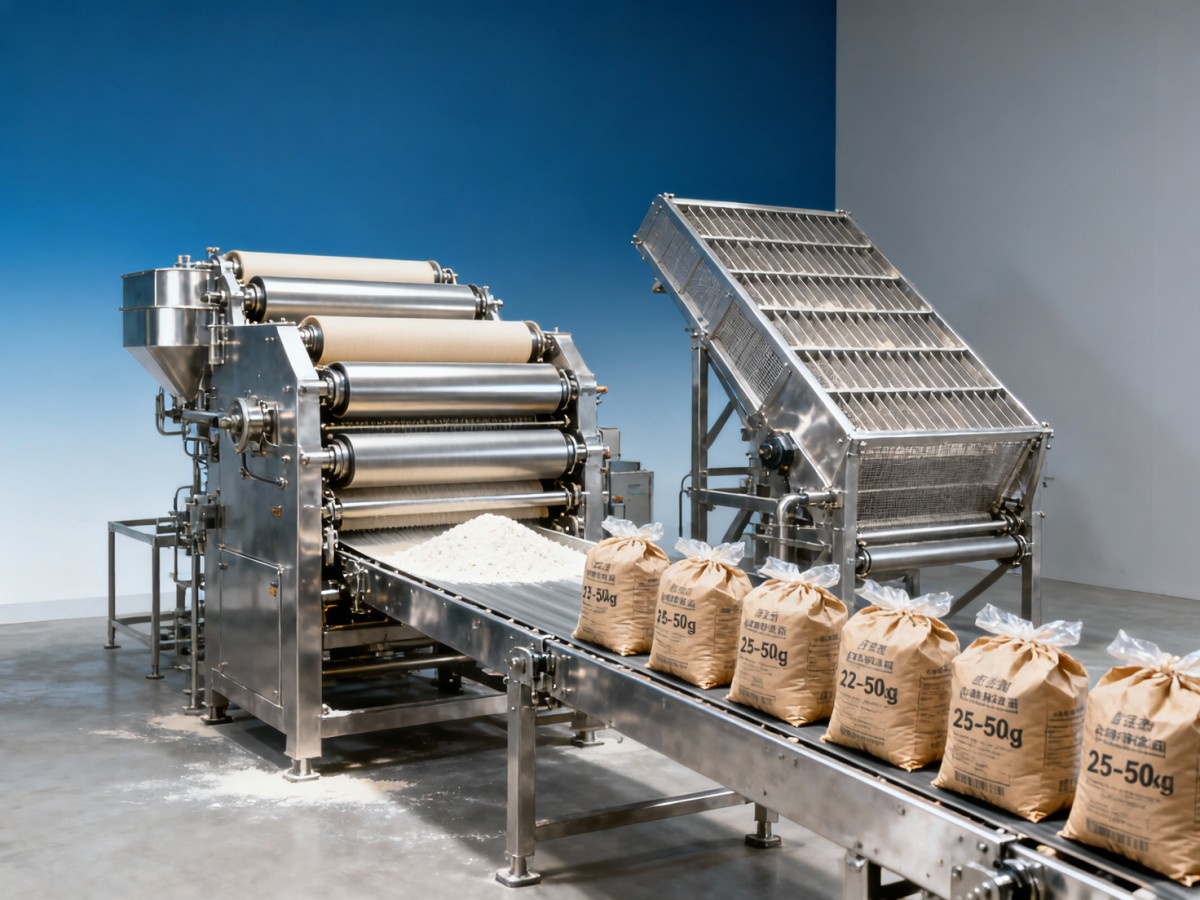
For decades, small commercial flour plant operators faced a critical dilemma: remain labor-intensive or invest in prohibitively expensive industrial automation. Today, modular solutions like 5-20T/h compact flour milling systems and semi-automatic bagging stations have redefined the automation threshold. This guide examines how operators with 1-3 production lines can achieve 60-75% automation rates without exceeding $150,000 capital expenditure.
Core Automation Components for Small Mills
Modern small-scale flour plants typically integrate these essential automated systems:
- Roller mill systems: 4-8 roller configurations with automatic gap adjustment (±0.1mm precision)
- Plansifters: 12-24 compartment models with vibration monitoring (15-25Hz optimal range)
- Pneumatic conveying: 2-5m/s velocity systems with 95-99% material transfer efficiency
- Bagging stations: Semi-automatic 25-50kg fillers with ±0.3% weight accuracy
The table demonstrates how strategic automation in 2-3 key areas can reduce total labor requirements by 50-60% while maintaining output quality meeting HACCP and FDA standards.
Cost-Benefit Analysis for Small Operators
When evaluating automation investments, small mills should consider these financial parameters:
Capital Expenditure Breakdown
- Basic automation package: $80,000-$120,000 (covers 3-5 essential machines)
- Mid-range integration: $130,000-$180,000 (includes PLC controls and sensors)
- ROI period: Typically 18-36 months for mills processing 5-15MT/day
Operational Savings
Implementation Roadmap for Small Mills
Successful automation requires phased implementation:
Phase 1: Foundation (Months 1-3)
- Conduct production audit (2-3 weeks)
- Install basic sensors (temperature, vibration, moisture)
- Implement automated weighing systems (±0.5% accuracy)
Phase 2: Core Automation (Months 4-8)
- Roller mill automation (gap control, feed rate)
- Sifter monitoring systems (24/7 performance tracking)
- Semi-automatic bagging stations (25-50kg capacity)
Phase 3: Optimization (Months 9-12)
- PLC integration for 3-5 key processes
- Predictive maintenance systems
- Quality control automation (moisture, ash content)
Key Considerations for Equipment Selection
When specifying automation equipment, prioritize these factors:
- Scalability: Ensure systems can handle 20-30% capacity growth
- Maintenance: Opt for designs with <5 hours/month service requirements
- Compatibility: Verify integration with existing Bühler or Ocrim systems
- Standards: Require CE, ISO 9001, and food-grade certifications
Conclusion: Strategic Automation for Competitive Advantage
For small flour mill operators, targeted automation in cleaning, milling, and packaging operations can deliver 40-60% productivity gains while maintaining compliance with FSMA and EU 178/2002 regulations. By focusing on modular, scalable solutions and phased implementation, mills processing 5-25 metric tons daily can achieve ROI within 2-3 production cycles.
Contact our grain processing specialists to evaluate your automation readiness and receive a customized implementation plan tailored to your production volume and budget parameters.
Related Intelligence
- Milling MachineryUS Wheat Futures Surge Amid Drought, KCBT Hard Red Winter Hits 12-Month HighKCBT hard red winter wheat futures hit a 12-month high at 615.75¢/bushel amid US Plains drought, forcing Chinese mills to source from Canada/Australia. Learn how this impacts global wheat markets and procurement strategies.
- Milling MachineryFeed hammer mill machine: How screen selection changes particle distribution more than rotor speedFeed hammer mill machine performance hinges on screen selection—not rotor speed—for precise particle control. Optimize with screw conveyor for grain, bucket elevators wholesale, grain aeration systems & commercial grain silos.
- Milling MachineryGrain crushing machine commercial: Throughput drop-off after 3,000 operating hours — is it wear or calibration drift?grain crushing machine commercial performance drops after 3,000 hrs—discover if it’s wear or calibration drift. Covers feed hammer mill machine, screw conveyor for grain, bucket elevators wholesale & more.
The Morning Broadsheet
Daily chemical briefings, market shifts, and peer-reviewed summaries delivered to your terminal.
