
Bee pollen granules bulk: how to judge freshness
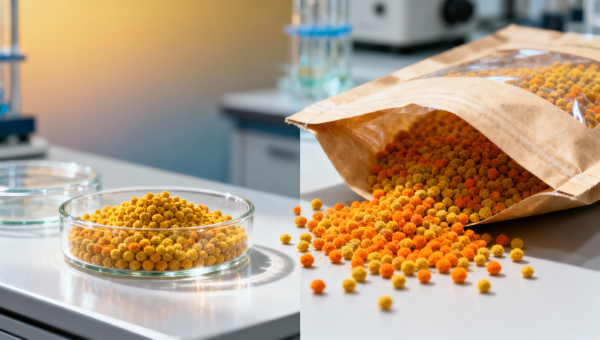
For buyers and quality teams sourcing bee pollen granules bulk, freshness is not a cosmetic detail but a core indicator of nutritional value, storage stability, and batch reliability. In a market that also spans milk thistle extract silymarin, pine bark extract bulk, grape seed extract opc, green tea extract egcg, and propolis extract wholesale, knowing how to judge freshness helps procurement, compliance, and project stakeholders reduce risk and make better-informed purchasing decisions.
Why freshness matters more than appearance in bee pollen granules bulk procurement
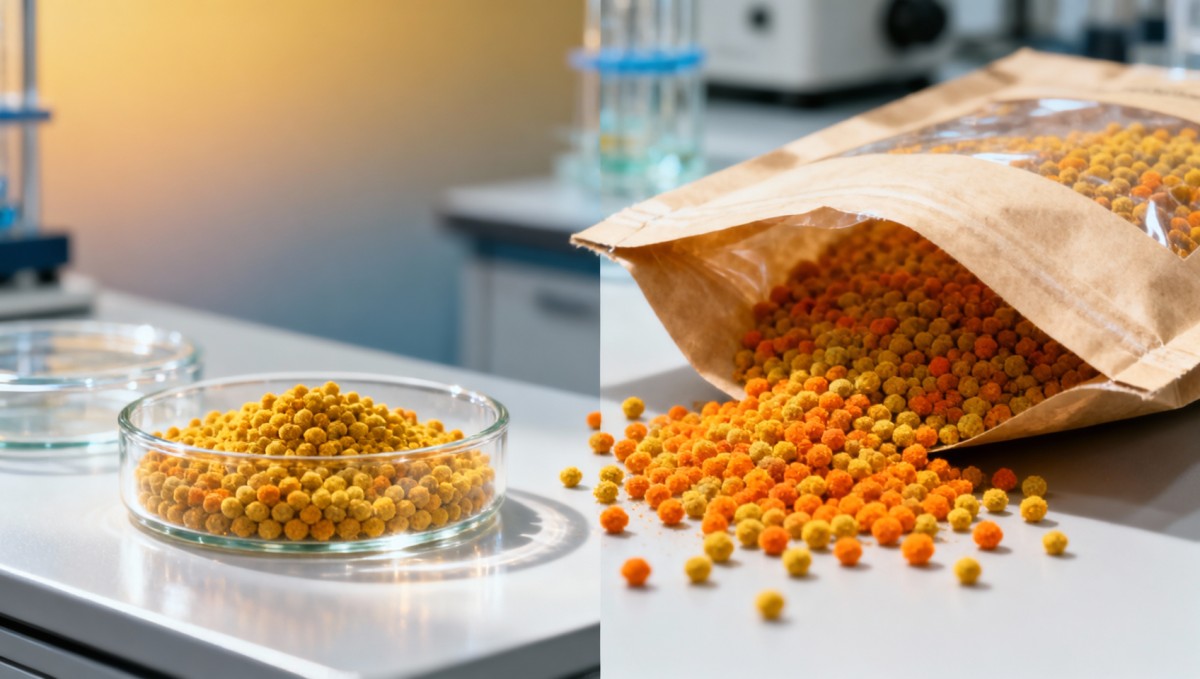
In bulk ingredient sourcing, freshness determines whether bee pollen granules bulk will perform as expected during storage, blending, repacking, or downstream use. A visually attractive lot can still be commercially weak if volatile compounds have faded, moisture has risen, or oxidation has advanced during transport. For quality teams, freshness is therefore not a subjective preference but one of the first screening criteria.
This point matters across the wider bio-extracts and ingredients segment. Buyers evaluating bee pollen often compare it with other natural materials such as propolis extract wholesale or grape seed extract opc, where degradation is not always obvious at first glance. In practical sourcing cycles of 2–6 weeks, a batch that enters the warehouse already compromised may lose additional stability before it reaches production or resale.
Financial approvers also need a freshness lens. A lower unit price can be misleading if poor storage stability leads to more rejects, higher shrinkage, or shorter resale windows. Project managers face a related issue: if a shipment must be re-inspected or replaced, timelines can slip by 7–15 days, affecting launch plans, formulation schedules, or customer commitments.
For ACC readers in regulated and high-value supply chains, the main question is not simply “Is this bee pollen granules bulk acceptable?” but “Is this lot fresh enough for the intended storage period, use case, and compliance expectations?” That is a more commercial, more technical, and more defensible way to evaluate the material.
What freshness influences in a bulk supply context
- Nutritional retention, especially where buyers expect pollen to preserve its natural aroma, color, and granular integrity over several months.
- Storage behavior, including moisture pickup, caking tendency, and sensitivity to temperature fluctuation in warehouses and freight routes.
- Batch consistency, which affects quality release, customer satisfaction, and the ability to maintain stable product specifications across repeated orders.
- Commercial risk, because fresher lots usually support longer usable shelf windows and fewer disputes over condition on arrival.
How to judge freshness: the 5 core checks buyers and QC teams should use
When inspecting bee pollen granules bulk, buyers should use a structured method rather than relying on color alone. A practical framework includes 5 core checks: sensory profile, moisture behavior, granule integrity, packaging condition, and document consistency. This approach works well for information researchers comparing suppliers, operators receiving goods, and safety teams conducting incoming inspection.
A fresh lot usually shows a naturally active aroma rather than a flat, stale, or overly fermented smell. The scent should be characteristic but not harsh. Color should remain reasonably vibrant within the expected natural variation of floral source, but procurement teams should remember that color differences between seasons or origins are normal. The warning sign is not “different,” but “dull, dusty, or uneven in a way that suggests age or poor storage.”
Touch and flow are equally important. Fresh bee pollen granules bulk should remain relatively free-flowing under proper packaging. If the material clumps excessively, feels sticky, or shows signs of moisture migration, the lot may have been exposed to humidity above its safe handling range. In many ingredient operations, warehouse conditions near 10°C–25°C and controlled humidity are used to reduce this risk, especially during temporary storage and inspection.
Documentation closes the loop. A batch may appear acceptable, yet freshness confidence stays low if harvest timing, packing date, storage advice, and lot traceability are incomplete. In institutional procurement, a product with clear lot coding, date records, and transport documentation is easier to approve than a product with vague paperwork, even when the quoted price is attractive.
A practical incoming inspection checklist
The table below summarizes common purchase-side checks for bee pollen granules bulk. It is not a substitute for laboratory testing, but it helps teams standardize first-level acceptance across procurement, warehouse, and quality functions.
This checklist helps teams separate visual freshness from documented freshness. In larger B2B programs, both matter. A lot may pass a quick warehouse review but still create downstream issues if the packaging date is old or the transit chain is unclear.
Three-stage judgment method
- Stage 1: review documents before delivery, including packing date, lot code, storage recommendation, and shipping format.
- Stage 2: conduct visual and sensory checks on arrival within the first 24–48 hours of unloading.
- Stage 3: confirm laboratory or internal QC release where moisture, contamination control, or specification matching is required.
What procurement teams should compare before approving a supplier
Freshness judgment becomes more reliable when it is tied to supplier evaluation. In the natural ingredients trade, two offers for bee pollen granules bulk can look similar on paper but carry very different risks. One supplier may provide recent packing, stable moisture handling, and clear traceability. Another may only provide a generic specification sheet without enough evidence about storage or batch rotation.
This is where cross-functional review helps. Information researchers want comparable data. Operators want material that handles predictably. Financial approvers want fewer claims and write-offs. QC managers want traceability that supports release decisions. Project leaders want supply continuity. A strong evaluation process should therefore compare not just price per kilogram, but at least 6 decision points linked to freshness and operational risk.
For readers of AgriChem Chronicle, a useful principle is to borrow discipline from adjacent sectors such as APIs, plant extracts, and feed ingredients. In all of them, freshness or active condition is protected by process control, packaging discipline, and verifiable records. The same logic applies to bee pollen granules bulk, even if the product sits in a more “natural” category.
The table below can be used as a procurement comparison sheet during supplier shortlisting, sample review, or annual vendor reassessment. It is especially useful when multiple lots are quoted within a 1–3 month purchasing window.
Using this comparison method reduces a common mistake: approving a supplier based only on a certificate file set or a low quote. Freshness in bee pollen granules bulk is protected by operational behavior, not by documents alone.
Six buying questions worth asking before PO release
- What is the packing date range for the available lots, and can the supplier reserve the newest batch?
- How is moisture exposure controlled during storage, inland transport, and export handling?
- Is the evaluation sample from the same lot, same season, or same production window as the commercial order?
- What type of primary and secondary packaging is used for 5 kg, 10 kg, or larger bulk configurations?
- What is the usual lead time, and how much of that window is transit versus warehouse staging?
- Which release documents are available for quality review before shipment and after arrival?
Storage, handling, and compliance points that affect freshness after purchase
Even well-selected bee pollen granules bulk can lose freshness quickly if receiving and storage are weak. Many disputes over “old” product actually begin after delivery: delayed unloading, damaged liners, warm holding areas, repeated opening of bags, or poor stock rotation. For operators and warehouse teams, freshness protection starts the same day the goods arrive, not after laboratory release.
A practical receiving routine should cover at least 4 steps within the first shift: inspect outer condition, verify lot and date data, move goods to a controlled area, and record any sensory or packaging deviations. Where the site handles multiple sensitive natural ingredients such as green tea extract egcg or pine bark extract bulk, it is wise to apply similar inbound discipline to bee pollen to reduce cross-category inconsistency.
From a compliance standpoint, bee pollen granules bulk is not managed exactly like an API, but B2B buyers increasingly expect structured traceability, hygiene controls, and documented storage conditions. Depending on market and intended use, teams may also review food safety documentation, allergen statements, contamination controls, and transport records. These are not just formalities; they help explain whether freshness has been preserved through the supply chain.
ACC’s editorial perspective is useful here because many procurement failures stem from fragmented information. A supplier may share technical claims, while a freight partner controls transit conditions, and the buyer sees neither side in full. Better procurement outcomes come from connecting sourcing, handling, and compliance into one review path rather than treating them as separate tasks.
Key post-delivery controls
Warehouse and handling priorities
- Store sealed lots in a cool, dry area and avoid repeated movement between ambient zones with large temperature swings.
- Minimize open exposure time during sampling or repacking; prolonged exposure over several hours increases moisture pickup risk.
- Use first-expire, first-out or lot-date rotation rather than informal stock consumption.
- Document any caking, odor change, or package damage at each handling event, not only at final release.
These measures are simple, but they influence commercial value. A lot that remains stable for several more months under correct storage can support smoother planning than a lot that begins deteriorating after only a short period in uncontrolled conditions.
FAQ: common buyer questions about fresh bee pollen granules bulk
The questions below reflect real purchasing and quality review concerns seen across bulk natural ingredients. They are especially relevant when companies compare bee pollen granules bulk with other sensitive extract products and want a practical decision framework.
How fresh should a lot be at the time of purchase?
There is no single universal rule, because intended use, packaging, transit route, and storage capacity all matter. In general, buyers prefer lots with recent packing and enough remaining shelf window to support import clearance, internal testing, and planned turnover. If your normal procurement-to-use cycle is 2–4 months, selecting a newer lot gives more operational margin than buying material already deep into its storage life.
Can color alone tell whether bee pollen granules bulk is fresh?
No. Color can help, but it is an incomplete indicator because natural floral sources create normal variation. Freshness judgment should combine at least 3 checks: aroma, granule behavior, and traceability documents. If color looks acceptable but odor is flat and packaging dates are vague, the lot should not be treated as low-risk.
What are the most common procurement mistakes?
The most common mistakes are approving on price alone, accepting non-representative samples, overlooking packaging quality, and failing to ask for packing date details. Another frequent issue is underestimating transit exposure. A shipment that spends 3–5 extra days in unsuitable conditions can arrive with more caking or aroma loss than expected, even if the source material was acceptable when dispatched.
How long does supplier evaluation usually take for a new bee pollen source?
For many B2B programs, a realistic cycle is 1–3 weeks for document review, sample inspection, internal comparison, and commercial discussion. If laboratory checks or import compliance reviews are added, the process may extend further. Planning this timeline upfront helps project managers avoid rushed approvals that later lead to quality disputes.
Why work with ACC when evaluating bee pollen granules bulk and adjacent natural ingredients
AgriChem Chronicle supports decision-makers who need more than product descriptions. In complex sourcing categories such as bee pollen granules bulk, milk thistle extract silymarin, grape seed extract opc, and propolis extract wholesale, buyers benefit from structured intelligence that connects market language with operational reality. That means asking not only what a supplier claims, but how freshness, traceability, storage, and compliance are actually demonstrated.
Our value is especially relevant for cross-functional teams. Information researchers need clear comparison criteria. Operators need practical handling insight. Financial approvers need risk visibility. QC and safety personnel need documentation logic. Project leaders need timelines that match delivery and inspection realities. ACC’s industry focus across bio-extracts, fine chemicals, and regulated primary sectors helps align these perspectives into one procurement conversation.
If you are reviewing bee pollen granules bulk suppliers or building a wider sourcing benchmark for natural ingredients, you can consult ACC on specific decision points such as parameter confirmation, sample evaluation logic, packaging and storage expectations, lead-time planning, documentation review, and quote comparison methodology. This is particularly useful when your team must compare multiple offers within a narrow budget or approval window.
Contact us to discuss batch freshness assessment, supplier shortlisting, specification alignment, sample support strategy, delivery cycle expectations, or compliance-related document review. A more disciplined evaluation process at the start usually costs less than managing a rejected shipment, a delayed launch, or an avoidable quality claim later.
Related Intelligence
- Natural IngredientsIndonesia BPOM Updates Label Rules for Natural Ingredients ImportsIndonesia BPOM updates label rules for natural ingredients imports: New pH ≤4.6 & 60°C/30min tolerance statement required by Aug 1, 2026 — act now to avoid customs rejection.
- Natural IngredientsIndonesia BPOM Updates Natural Ingredients Import LabelingIndonesia BPOM Updates Natural Ingredients Import Labeling: New 'Microbial Resistance Profile' required for cosmetics, supplements & personal care imports—act now to avoid customs delays.
- Natural IngredientsXylitol sweetener wholesale for gum or tablets?Xylitol sweetener wholesale for gum or tablets? Compare grades, sourcing, and compliance, plus fructooligosaccharides fos wholesale, wholesale inulin powder, and monk fruit extract mogroside.
The Morning Broadsheet
Daily chemical briefings, market shifts, and peer-reviewed summaries delivered to your terminal.
