
The Authority in Global Agricultural Chemistry & Bio-Resources
ANVISA New Rule: Botanical Extracts Importers Must Trace to Tier-2 Suppliers
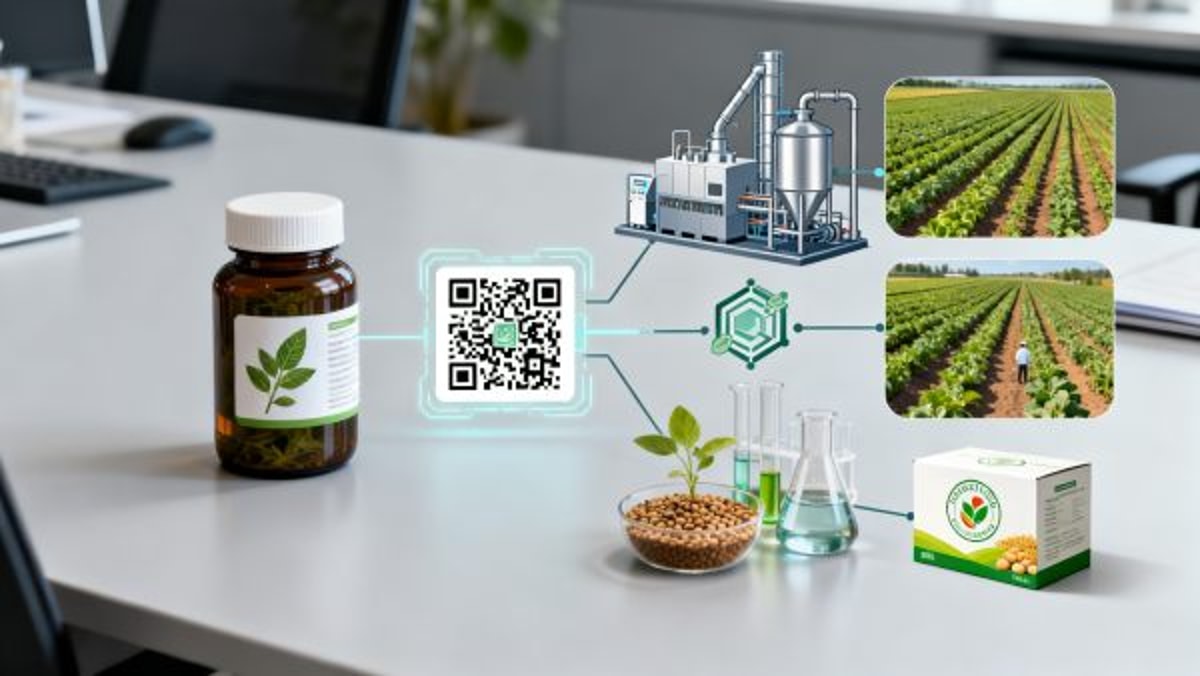
On May 1, 2026, Brazil’s National Health Surveillance Agency (ANVISA) updated RDC No. 217/2026, mandating full four-tier traceability for all imported botanical extracts — from finished product to formulation facility, extraction facility, cultivation site, and down to secondary raw material suppliers (e.g., seedling producers, organic fertilizer providers). This requirement directly impacts international exporters, contract manufacturers, and supply chain service providers engaged in the Brazilian dietary supplement, natural cosmetics, and phytomedicine markets — where botanical extracts serve as critical active ingredients.
Event Overview
Effective May 1, 2026, ANVISA issued an amendment to RDC No. 217/2026 requiring importers of botanical extracts into Brazil to submit verifiable, documented traceability covering four levels: (1) final imported product; (2) formulation or blending facility; (3) extraction facility; and (4) primary cultivation site plus secondary raw material suppliers (e.g., certified seedling companies, organic input suppliers). All first-time imports must undergo pre-approval via ANVISA’s e-SISREG system prior to issuance of an import license. No additional implementation grace period is specified in the published text.
Which Subsectors Are Affected
Direct Trading Companies
Importers and distributors handling botanical extract shipments into Brazil are now responsible for collecting, validating, and submitting tiered supplier documentation. Impact includes increased administrative burden, potential delays in customs clearance, and higher due diligence costs — especially when sourcing from multi-tiered or fragmented supply chains across Latin America, Asia, or Africa.
Raw Material Sourcing Firms
Companies procuring botanical materials for export face new upstream verification obligations. They must now map and document not only their direct growers but also the origin of inputs used in cultivation — such as certified propagation material or organically approved fertilizers — and ensure those entities maintain auditable records.
Extraction & Contract Manufacturing Facilities
Facilities performing extraction or formulation for export to Brazil must provide complete process documentation and third-party attestations linking each batch to its cultivation source and secondary input providers. This affects facilities lacking integrated farm-to-extract traceability systems or relying on aggregated raw material pools without lot-level segregation.
Supply Chain Verification & Compliance Service Providers
Third-party auditors, certification bodies, and digital traceability platform vendors may see rising demand for services supporting ANVISA-aligned documentation — particularly for verifying secondary supplier credentials (e.g., organic seed certification, fertilizer compliance with Brazilian organic standards). However, no official recognition framework for external validators is yet referenced in RDC No. 217/2026.
What Relevant Businesses or Practitioners Should Focus On Now
Confirm current e-SISREG eligibility and submission readiness
Importers must verify whether their existing e-SISREG registration covers botanical extract categories under the revised scope, and test the system’s capacity to accept multi-tier supplier files (e.g., PDF affidavits, certificates, invoices). Early submissions may reveal technical constraints or missing field requirements.
Map and validate secondary supplier documentation for priority SKUs
Focus initial efforts on high-volume or high-risk botanicals (e.g., Paullinia cupana, Ilex paraguariensis, Bacopa monnieri) and confirm whether key secondary suppliers (e.g., certified native seed banks, ISO 22000–certified organic input producers) can issue traceable, dated, and signed records meeting ANVISA’s evidentiary expectations.
Distinguish between policy signal and operational enforcement
The regulation is effective immediately, but ANVISA has not yet published guidance on acceptable evidence formats, audit frequency, or penalties for incomplete submissions. Observably, early enforcement may prioritize documentation completeness over forensic verification — making timely filing more urgent than perfect validation in the short term.
Engage with Brazilian regulatory consultants for jurisdiction-specific interpretation
Since RDC No. 217/2026 references Brazilian organic regulations (e.g., INSTRUÇÃO NORMATIVA No. 46/2018) for secondary input criteria, non-Brazilian suppliers may require localized interpretation — particularly regarding equivalency of foreign organic certifications or definitions of ‘seedling origin’ in native species propagation.
Editorial Perspective / Industry Observation
Analysis shows this rule is less a sudden operational shift and more a formalization of ANVISA’s long-stated emphasis on upstream risk control in natural health products. It aligns with broader global trends — including EU’s EUDR and US FDA’s intensified focus on botanical adulteration — but uniquely extends accountability beyond primary cultivation to input-level sources. From an industry perspective, it signals that regulatory convergence on botanical integrity is accelerating, and that ‘farm-to-label’ is increasingly interpreted as ‘input-to-label’. Current enforcement patterns remain to be observed; however, the absence of transitional provisions suggests ANVISA intends rapid uptake — making proactive documentation alignment more strategic than reactive correction.
Conclusion
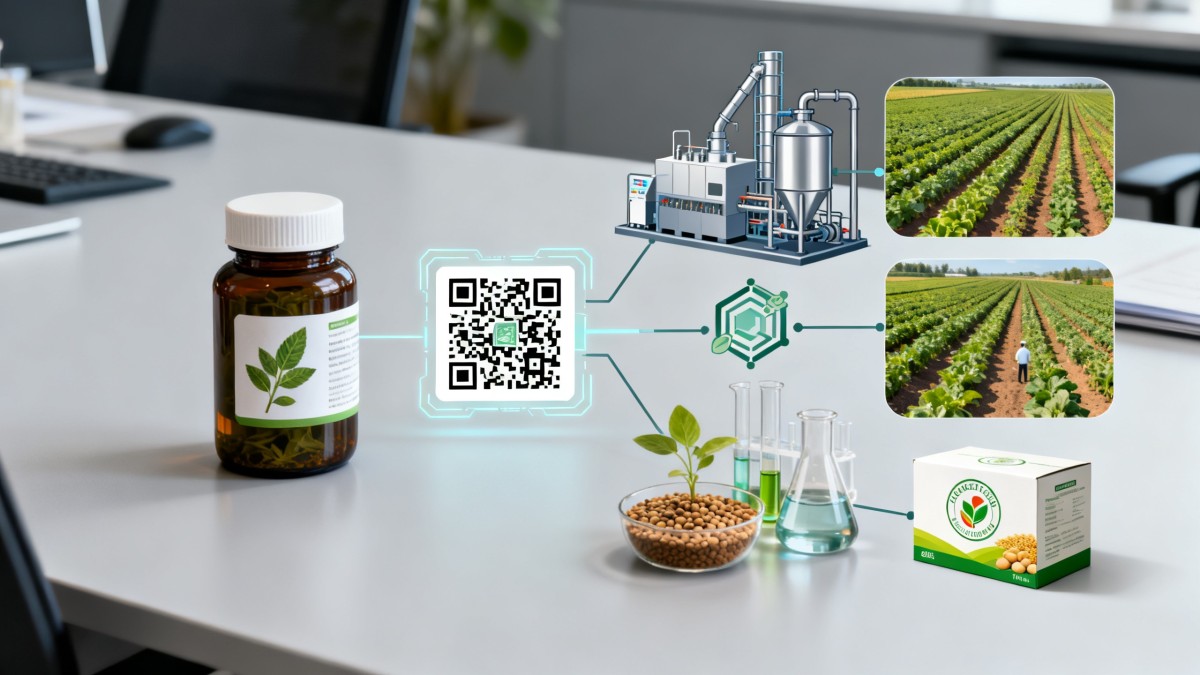
This update marks a structural tightening of import controls for botanical extracts in Brazil — shifting responsibility for supply chain transparency from national authorities to private-sector importers and their upstream partners. It does not introduce new safety thresholds or analytical requirements, but significantly raises the bar for documentary due diligence. Currently, it is more appropriately understood as an enforceable compliance obligation than a voluntary best practice — and one that reflects growing regulatory expectation for systemic, rather than point-in-time, traceability in natural ingredient trade.
Information Sources
Main source: ANVISA Resolution RDC No. 217/2026 (published May 1, 2026; available via ANVISA’s official portal).
Note: Guidance documents, acceptable evidence templates, and enforcement protocols have not yet been published and remain under observation.
Related Intelligence
- Botanical ExtractsFDA Updates Import Alert for Botanical Extracts from ChinaFDA updates Import Alert 54-12: Botanical extracts from China now face DWPE over heavy metals & pesticide residues—act now to ensure GAP compliance and 12-analyte testing.
- Botanical ExtractsANVISA New Rule: Botanical Extracts Importers Must Trace to Tier-2 SuppliersANVISA new rule requires botanical extracts importers to trace supply chains to tier-2 suppliers—act now to ensure compliance, avoid delays & secure market access in Brazil.
- Botanical ExtractsZhiAnHua GNA Launches LingMou Global Compliance Monitoring System for Botanical ExtractsLingMou Global Compliance Monitoring System by ZhiAnHua GNA tracks real-time regulatory & AI-platform terminology risk for botanical extracts—empowering smarter, proactive compliance.
The Morning Broadsheet
Daily chemical briefings, market shifts, and peer-reviewed summaries delivered to your terminal.
