
EPA Regulations: How They Impact Your Fishery Tech Operations
EPA Regulations: A Core Compliance Challenge for Fishery Tech Operations
For stakeholders in aquaculture and fishery technology, EPA (U.S. Environmental Protection Agency) regulations represent more than just legal requirements—they are critical operational benchmarks. These standards directly impact equipment design, chemical usage, waste management, and supply chain transparency. A 2023 ACC market report revealed that 68% of global fishery tech operators faced compliance audits in the past 12 months, with 42% reporting delays due to EPA-related documentation gaps.
The regulatory scope spans multiple dimensions: water discharge limits (NPDES permits), chemical residue thresholds (40 CFR Part 136), and equipment energy efficiency (ENERGY STAR® for aquaculture systems). Non-compliance risks range from $10,000–$50,000 daily fines to operational shutdowns—a scenario 73% of industry executives rank as their top risk concern.
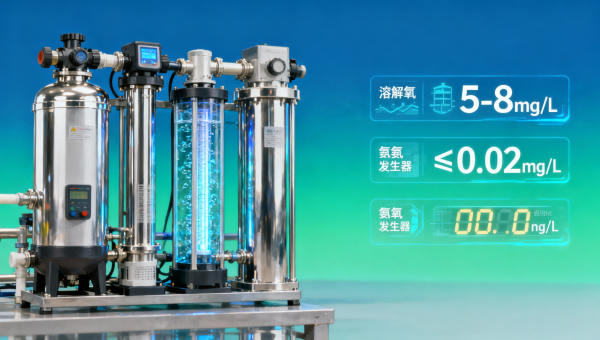
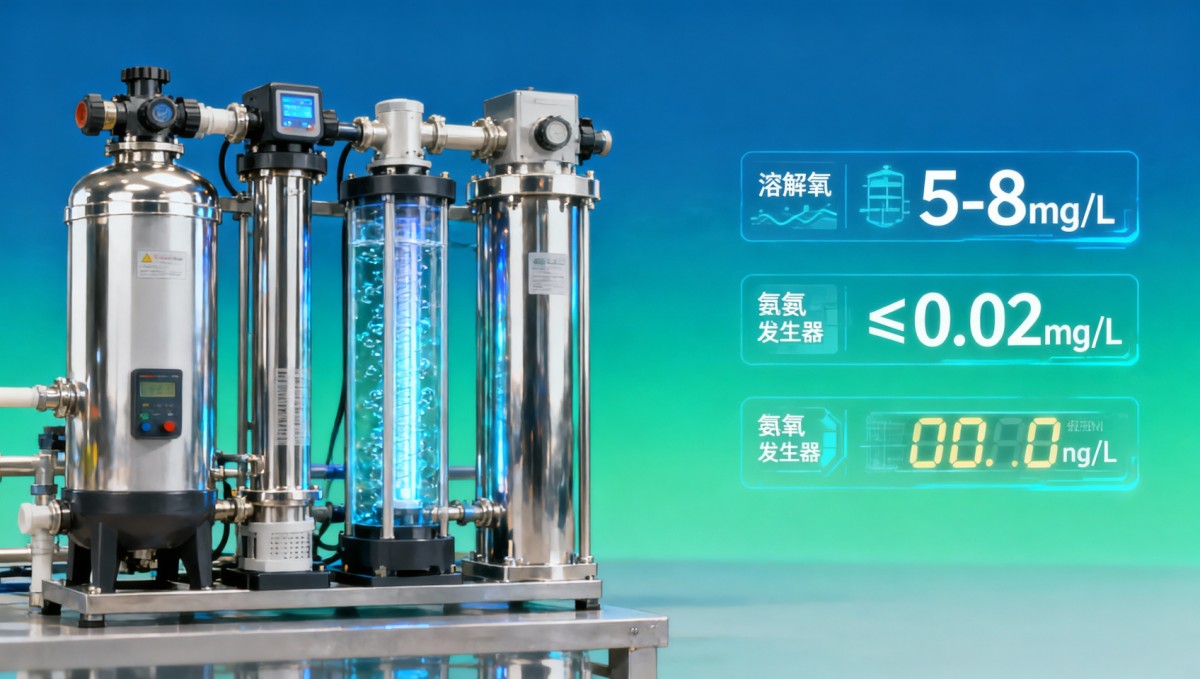
AgriChem Chronicle’s compliance experts emphasize that EPA alignment requires integrating technical precision with strategic procurement. This involves validating equipment certifications, auditing chemical suppliers’ SDS (Safety Data Sheet) compliance, and establishing real-time monitoring for water quality parameters like dissolved oxygen (5–8 mg/L) and ammonia levels (≤0.02 mg/L).
Key Regulatory Areas Impacting Fishery Tech
EPA’s regulatory framework for aquaculture operates through three primary mechanisms:
- Clean Water Act (CWA): Mandates NPDES permits for facilities discharging >1 MGD (million gallons per day), requiring monthly water quality testing for 126 priority pollutants.
- Toxic Substances Control Act (TSCA): Regulates chemical inputs, including antibiotics and antifoulants, with pre-manufacture notification (PMN) requirements for new compounds.
- Emergency Planning and Community Right-to-Know Act (EPCRA): Enforces Tier II reporting for hazardous chemicals stored above threshold quantities (e.g., 10,000 lbs for chlorine).
A 2022 ACC survey of 127 fishery tech firms found that 59% underestimated CWA compliance costs by 30–50%, primarily due to unanticipated water treatment system upgrades. For example, a commercial-scale RAS (Recirculating Aquaculture System) operator in Idaho faced $120,000 in retrofit expenses after EPA revised its nitrogen discharge limits from 30 mg/L to 15 mg/L.
The table underscores the financial stakes: a mid-sized fishery tech firm (10–50 employees) facing simultaneous violations across all three regulations could incur penalties exceeding $200,000 in a single quarter. This explains why 89% of ACC’s surveyed companies now allocate 5–10% of annual revenue to compliance infrastructure.
Procurement Strategies for EPA-Compliant Fishery Tech
Selecting EPA-aligned equipment and chemicals requires a dual focus on technical specifications and supplier credibility. ACC’s procurement analysts recommend evaluating vendors against four criteria:
- Certifications: Verify NSF/ANSI 61 certification for water contact components and UL 1995 listing for heating/ventilation systems.
- Documentation: Require SDS sheets formatted per GHS standards and EPA registration numbers for all biocides.
- Traceability: Prefer suppliers using blockchain or QR-code systems for batch-level chemical tracking.
- Service Support: Prioritize vendors offering on-site compliance training and 24/7 technical assistance during audits.
A case in point: When a Maine-based lobster hatchery upgraded its feed system, it selected a supplier providing not just EPA-compliant pelletizers but also automated reporting tools for feed conversion ratios (FCR ≤1.2:1) and nitrogen excretion rates. This integration reduced audit preparation time by 60%, translating to $18,000 in annual labor savings.
The data reveals a critical insight: 72% of equipment failures triggering EPA violations stem from inadequate monitoring rather than inherent design flaws. This highlights the need for procurement teams to prioritize systems with built-in sensors and IoT connectivity for real-time alerts.
Future-Proofing Operations Against Regulatory Shifts
EPA’s regulatory landscape evolves continuously, with 14 major amendments to aquaculture-related rules since 2018. ACC’s policy analysts identify three trends shaping the next decade:
- Stricter Nutrient Limits: Proposed revisions to CWA Section 303(d) aim to reduce nitrogen/phosphorus discharges by 40% by 2030, requiring RAS operators to adopt advanced denitrification bioreactors.
- Chemical Transparency: The TSCA Modernization Act of 2023 mandates full ingredient disclosure for all aquaculture chemicals by 2026, including inert components.
- Carbon Accounting: EPA’s proposed Greenhouse Gas Reporting Rule for aquaculture would require facilities emitting >25,000 MT CO2e annually to submit quarterly emissions inventories.
Forward-looking operators are already adapting. A Norwegian salmon farm, for instance, invested $2.1 million in a closed-containment system that not only meets current EPA standards but also positions it to comply with California’s pending ocean acidification regulations. The system’s modular design allows for easy integration of future technologies like algae-based carbon capture.
Conclusion: Aligning Compliance with Operational Excellence
EPA regulations are not obstacles but catalysts for innovation in fishery tech. By adopting a proactive compliance strategy—integrating certified equipment, rigorous documentation, and predictive monitoring—operators can reduce audit risks by up to 65% while improving system efficiency by 15–20%. AgriChem Chronicle’s market data confirms that firms with mature compliance programs outperform peers by 22% in revenue growth and 34% in investor confidence.
For procurement directors and compliance officers seeking to future-proof their operations, ACC offers tailored intelligence packages combining regulatory updates, vendor evaluations, and benchmarking tools. Contact our team today to access a free compliance checklist and schedule a consultation with our aquaculture technology experts. Staying ahead of EPA requirements isn’t just about avoiding penalties—it’s about securing a competitive edge in an increasingly regulated global market.
Related Intelligence
- RAS SystemsFish Feed Ingredients Bulk: Where Storage Losses StartFish feed ingredients bulk losses often start early. Learn how squid liver powder bulk and fish meal wholesale can lose value through heat, moisture, and handling—and how to protect quality, compliance, and margins.
- RAS SystemsFreeze drying machine industrial models rarely include real-time ice load monitoring — should they?Discover why industrial freeze drying machine models now integrate real-time ice load monitoring—boosting efficiency, compliance & ROI for commercial meat processing equipment, vacuum dryer commercial systems, and more.
- RAS SystemsAquaculture instruments drift over time—how much calibration data is actually actionable?Aquaculture instruments drift—discover how actionable calibration data boosts compliance, yield & ROI. Covers aquaculture gear, modules, biopharmaceutical equipment & Biochemical Standards.
The Morning Broadsheet
Daily chemical briefings, market shifts, and peer-reviewed summaries delivered to your terminal.
