

The Authority in Global Agricultural Chemistry & Bio-Resources
Silage bale wrapper machine problems that lead to spoiled feed
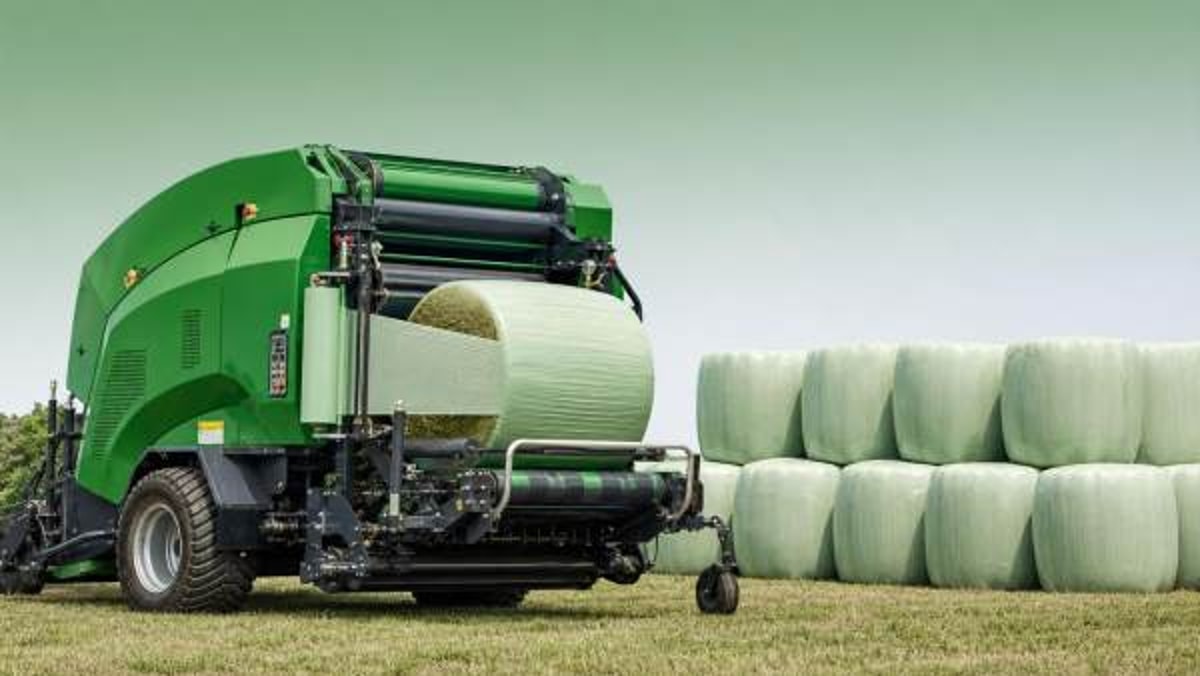
When a silage bale wrapper machine fails to seal consistently, valuable forage can quickly turn into spoiled feed, driving up costs and reducing livestock performance. For operators, understanding the most common wrapping problems is essential to protecting bale quality, minimizing downtime, and ensuring reliable storage. This article explores the warning signs, root causes, and practical fixes that matter most in daily field operations.
The core search intent behind “silage bale wrapper machine problems that lead to spoiled feed” is practical and urgent: operators want to know why wrapped bales are going bad, how to identify the machine-related cause, and what to do immediately to prevent further losses. They are not mainly looking for a broad explanation of silage theory. They want troubleshooting guidance tied to field performance, film application, sealing integrity, machine setup, and storage outcomes.
For this audience, the biggest concerns are straightforward: air entering the bale, plastic film not stretching or overlapping correctly, uneven bale shape, wrapping interruptions, hidden machine wear, and the financial impact of feed spoilage. What helps most is a clear link between visible symptoms in the yard and likely faults in the silage bale wrapper machine, followed by practical checks, adjustments, and maintenance actions operators can apply without delay.
That means the article should focus heavily on warning signs, root causes, operator checks, preventive maintenance, and decision points for repair versus continued operation. Generic content about silage preservation should be kept brief. The most valuable content is problem-based: what the operator sees, what it likely means, and how to fix it before bale quality deteriorates.
Why wrapping faults spoil feed faster than many operators expect
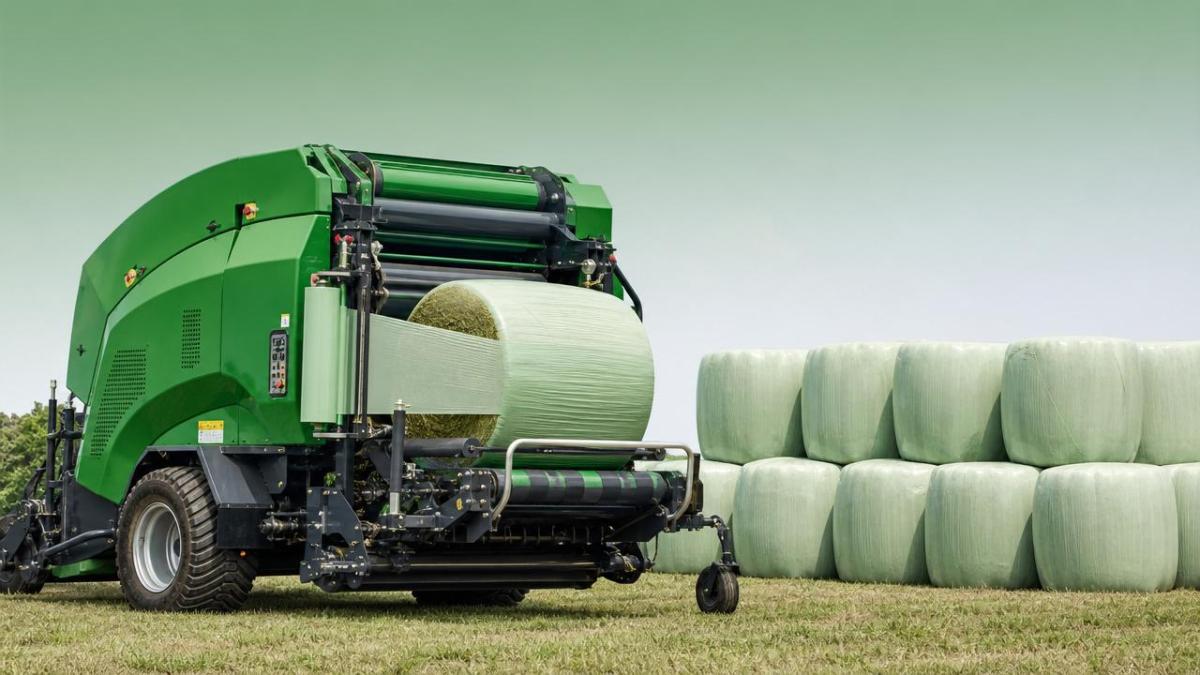
A well-made bale can still become poor feed if the wrapper does not create and maintain an airtight seal. The purpose of wrapping is simple: exclude oxygen quickly and keep it out long enough for proper fermentation to stabilize the forage. When a silage bale wrapper machine applies film unevenly, fails to maintain tension, misses overlap, or damages the plastic during rotation, oxygen can enter the bale and disrupt that process.
Once air leaks develop, the damage is not always immediate or obvious. Heating, mold growth, yeast activity, nutrient loss, and visible spoilage can emerge days or weeks later. By the time the bale is opened, the root cause may already be forgotten unless operators link storage results back to wrapping performance. This is why machine problems often get blamed on forage moisture or storage conditions when the actual issue began at the wrapper.
In practical terms, spoilage caused by wrapping faults usually shows up as musty odor, black or white mold patches, heating around the outer bale layers, discolored forage, and increased waste during feeding. If these symptoms are recurring across multiple bales from the same wrapping period, the silage bale wrapper machine should be one of the first things inspected.
The clearest warning signs your silage bale wrapper machine is causing spoilage
Operators often notice bale problems in the yard before they identify machine faults in the field. One of the most common warning signs is loose or wrinkled film on finished bales. Wrinkles may look minor at first, but they often indicate poor film stretch, unstable bale rotation, or contamination on rollers. Wrinkled film creates weak points where sealing is compromised and puncture risk increases during handling.
Another warning sign is inconsistent film overlap. If one side of the bale has visibly wider film coverage than the other, or if some sections look thin and under-wrapped, the bale may not have enough layers in critical areas. This can happen when the turntable speed is out of sync with the dispenser, sensors are drifting, or the bale is not centered properly.
Frequent film breaks are also a major red flag. Operators sometimes treat breaks as a film-quality issue alone, but repeated snapping often points to excessive tension, damaged pre-stretch rollers, dirty dispensers, misalignment, or abrupt machine motion. Every interruption increases the chance of uneven coverage and delayed sealing, especially when operators are trying to keep up with harvest pace.
Misshapen bales should never be ignored when troubleshooting wrapper performance. A poor wrap job often begins with a bale that is too soft, too loose, too uneven, or not dense enough to rotate smoothly. While bale formation starts at the baler, the wrapper still suffers the consequence. If the bale lurches, slips, or rotates irregularly, film application becomes unreliable and air pockets are more likely.
Finally, visible punctures, dragged film edges, or torn layers on freshly wrapped bales suggest immediate handling or machine contact problems. Sharp edges, worn guides, rough rollers, damaged table surfaces, or aggressive bale transfer arms can all compromise the seal before the bale even reaches storage.
Most common machine problems behind spoiled silage bales
The most frequent machine-related cause of spoilage is incorrect film tension. A silage bale wrapper machine must stretch film enough to activate cling and achieve a tight seal, but not so much that it thins excessively or breaks. If the pre-stretch system is worn, rollers are dirty, bearings are stiff, or settings are wrong for the film type, tension becomes inconsistent. The result is weak sealing in some areas and overstressed film in others.
Dispenser roller wear is another common issue. Rollers with buildup, grooves, flat spots, or poor grip can prevent smooth film feeding. Even small defects can alter stretch ratio, skew the film path, and create uneven application across the bale surface. Over time, these small errors increase oxygen infiltration risk, especially on the shoulders and edges of the bale.
Problems with turntable rotation or bale rotation are equally serious. If the machine rotates too fast, too slowly, or unevenly, film overlap changes and some sections receive less protection. Hydraulic fluctuations, worn drive components, slipping belts or chains, and sensor errors can all affect rotational consistency. A wrapper that sounds rough or moves in surges should be inspected immediately.
Cut-and-hold or film tail management failures can also lead to spoilage. At the end of the wrapping cycle, the machine must secure the film tail so the next bale starts correctly and the finished bale remains sealed. If the cutter is dull, the clamp is weak, or the tail is left loose, the final wrap can lift, unravel, or expose a path for air entry.
Structural wear should not be underestimated. Bent arms, loose fasteners, poor alignment, and worn pivots can shift film application enough to compromise wrap quality. Many spoilage issues come not from one catastrophic failure but from gradual wear that operators adapt to until feed losses become too costly to ignore.
Operator mistakes that make wrapper problems worse
Even a well-maintained machine can produce poor results if setup and operation are inconsistent. One frequent mistake is continuing to wrap after repeated film breaks without investigating the underlying cause. Restarting the cycle may appear to save time, but if tension, alignment, or dispenser condition is wrong, the same defect will continue across every bale produced that day.
Another common mistake is failing to match wrapping settings to bale size, density, and forage condition. Wet, heavy bales may behave differently on the table than dry, lighter ones. If settings remain unchanged while bale characteristics shift through the day, rotation stability and overlap consistency can suffer. Operators should not assume the morning setup remains ideal by the afternoon.
Handling wrapped bales too aggressively is another avoidable cause of damage. Even when the silage bale wrapper machine applies film correctly, the seal can be compromised by spear punctures, hard drops, rough stacking surfaces, or transport methods that scrape the outer layers. Operators should remember that wrap quality is only as good as the bale’s condition when it reaches storage.
Skipping end-of-day inspection is also costly. Dust, crop juice, adhesive residue, and torn film fragments build up quickly during silage season. If these are not cleaned off rollers, guides, cutters, and moving parts, the next shift begins with avoidable problems already in place.
How to diagnose the cause when bales are spoiling
When spoiled feed appears, the fastest way to find the cause is to work backward from the bale. Start by checking whether spoilage is isolated or repeated across a batch. If many bales from the same day or field show similar outer-layer mold, heating, or film defects, that points strongly toward a systematic wrapping problem rather than random handling damage.
Next, inspect the bale surface carefully. Look for uneven overlap, thin spots, punctures, loose tails, wrinkling, or areas where the film has lifted. Pay special attention to the shoulders and ends, where stretch and coverage problems often become most visible. Compare several bales from the same machine session to identify a pattern.
Then inspect the silage bale wrapper machine itself. Check roller cleanliness, pre-stretch condition, film tracking, cutter sharpness, clamp performance, turntable movement, and hydraulic smoothness. Watch a full wrapping cycle if possible. Many faults only become obvious when the bale is rotating under normal operating speed.
It is also useful to review consumables and settings. Confirm that the film width, quality, and recommended stretch rate match the machine setup. A technically sound machine can still produce weak wraps if low-grade or incompatible film is being used, especially in hot, cold, or windy conditions.
If spoilage is severe but machine performance appears normal, then evaluate related factors such as bale density, forage moisture, delayed wrapping time after baling, and storage site conditions. However, operators should be careful not to skip machine checks too quickly. In many cases, wrap inconsistency is the hidden contributor that amplifies every other risk factor.
Practical fixes operators can apply in the field
The first field fix is to verify film tension and tracking before large-scale wrapping begins. Run a test bale and inspect the film immediately after wrapping. The surface should be smooth, tight, and evenly overlapped, with no obvious slack zones. If the film drifts sideways, wrinkles, or stretches unevenly, stop and correct the dispenser before continuing.
Clean all film-contact components regularly. Rollers, guides, cutters, and clamps should be free of dust, sap, plastic residue, and moisture. Contamination changes friction and stretch behavior more than many operators realize. A few minutes of cleaning can prevent hours of rework and significant forage loss.
Replace worn consumable parts early rather than after failure. Bearings, knives, springs, rollers, and belts often show declining performance before they stop working completely. If the wrapper has become less consistent over time, preventive replacement is usually cheaper than feeding spoiled silage later.
Check alignment points and fasteners as part of daily preparation. Loose hardware and minor frame movement can shift film placement enough to reduce seal reliability. This is especially important on machines used over rough ground or moved frequently between fields.
Operators should also adjust working speed to conditions. Pushing output too hard in rough terrain, high winds, or with irregular bale shape often creates unstable wrapping cycles. Slowing slightly may improve seal quality enough to protect far more feed value than the small time savings gained by rushing.
A preventive maintenance routine that protects feed quality
The best-performing operators treat the silage bale wrapper machine as a feed preservation tool, not just a transport or packaging device. That mindset changes maintenance priorities. Daily checks should include roller cleanliness, film path alignment, cutter condition, hydraulic leaks, unusual noises, and test verification of overlap quality.
Weekly inspections during heavy use should go deeper. Examine wear on bearings, chains, drive elements, pivot points, sensors, clamps, and guarding. Verify that pre-stretch ratios remain within specification. If available, compare output against manufacturer-recommended settings for the film and bale size being used.
At the start of the season, inspect the machine thoroughly before the first field day. Replace damaged or questionable parts, calibrate controls, and wrap several trial bales before full production begins. This is far less disruptive than discovering faults during a narrow harvest window when forage quality is changing rapidly.
Good recordkeeping also helps. If spoilage appears later, notes on film batch, field conditions, settings, operator shifts, and maintenance actions make diagnosis much easier. On larger operations, even a simple checklist can reduce repeated failures and improve consistency between operators.
When to keep operating, when to stop, and when to call for service
Not every issue requires immediate shutdown, but some do. Minor film tracking drift that can be corrected quickly may justify a short pause and adjustment. Repeated film breaks, obvious overlap failure, unstable rotation, loose film on finished bales, or malfunctioning cut-and-hold systems are not small issues. Continuing to wrap under those conditions usually produces hidden losses that only appear later in storage.
If the problem can be traced to cleaning, setup, film loading, or simple part replacement, operators can often restore acceptable performance in the field. But if hydraulic surging, structural misalignment, electrical control faults, or repeated dispenser failure persists, professional service is the safer decision. The cost of downtime may feel high in harvest, yet the cost of wrapping hundreds of compromised bales is often much higher.
A useful rule is this: if you would not trust the wrapped bale to remain airtight for storage, do not keep producing more of them. Short-term output should never take priority over long-term feed quality.
Conclusion: better wrapper performance means better feed, lower loss, and fewer surprises
Spoiled silage is often the end result of small wrapping problems that were visible much earlier: loose film, poor overlap, repeated breaks, unstable bale rotation, worn rollers, or neglected maintenance. For operators, the value lies in spotting these signs early and understanding how a silage bale wrapper machine directly affects fermentation success and storage stability.
The most effective response is not guesswork but a disciplined approach: inspect the finished bale, trace symptoms back to the machine, correct tension and alignment issues, maintain clean and functional components, and stop operating when seal quality is clearly compromised. When wrapping is consistent, bales store better, feed waste declines, and livestock performance is protected.
In day-to-day operations, that is the real takeaway. A silage bale wrapper machine is not just finishing the bale; it is protecting the feed investment inside it. The operators who treat wrapping quality as critical rather than routine are usually the ones who lose less forage and face fewer unpleasant surprises at feeding time.
Related Intelligence
- Heavy Agri MachineryHow Agri & Forestry machinery manufacturers differ after deliveryAgri & Forestry machinery manufacturers differ most after delivery—compare parts support, technical service, training, and compliance to reduce downtime and total ownership cost.
- Heavy Agri MachineryWhich Agri & Forestry machinery specifications matter in real use?Agri & Forestry machinery specifications explained for real use: learn which ratings truly affect efficiency, safety, durability, and cost before you compare or buy.
- Heavy Agri MachineryRound baler machine pickup width vs field efficiencyRound baler machine pickup width affects field efficiency, fuel use, and bale quality. Learn how to match width to windrows, crop conditions, and tractor capacity.
The Morning Broadsheet
Daily chemical briefings, market shifts, and peer-reviewed summaries delivered to your terminal.
