
PTO Drive Shafts Bulk Quality Checks
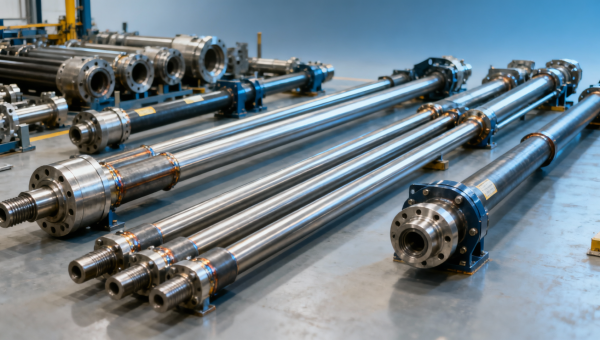
For buyers evaluating pto drive shafts bulk, quality checks are critical to machine uptime, operator safety, and procurement confidence. From tractor implement parts compatibility to durability standards linked with square baler machine, round baler machine, and grass forage chopper applications, this guide outlines what technical teams, sourcing managers, and quality inspectors should verify before approving large-volume orders.
Why bulk quality checks matter before you approve a PTO drive shafts order
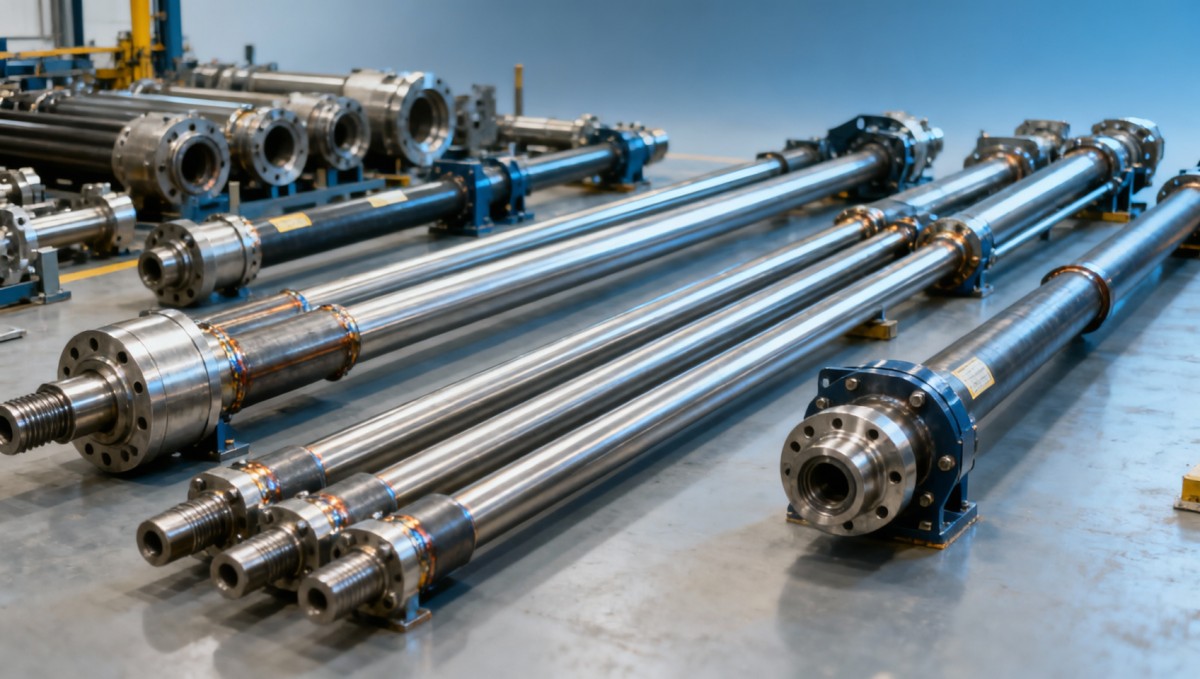
In agricultural and primary processing operations, a PTO drive shaft is not a generic accessory. It is a mechanical link that transfers torque from the tractor to implements that often work under shock load, dust exposure, moisture, and long service cycles. When the purchase is made in bulk, the risk multiplies. A single dimensional mismatch or weak weld can affect 20, 50, or 200 units across dealer inventory, contractor fleets, or OEM assembly schedules.
For procurement teams, the issue is not only price per unit. The real concern is lifecycle cost: downtime during harvest, emergency replacement freight, operator injury exposure, warranty disputes, and the hidden cost of reinspection. In many field conditions, PTO shaft failures happen during peak operating windows of 6–10 hours per day, when delayed replacement can disrupt baling, forage collection, or feed processing output.
Technical evaluators also need to verify application fit. PTO drive shafts used with a square baler machine may face different torsional spikes than shafts used with a round baler machine or a grass forage chopper. That means bulk acceptance cannot rely on appearance alone. Length range, tube profile, yoke fit, guard integrity, and overload protection all need to be reviewed against the intended implement category.
This is where a structured review process becomes valuable. AgriChem Chronicle supports industrial buyers and equipment stakeholders by translating technical product data into procurement logic. For sourcing decisions in complex supply chains, the goal is clear: reduce ambiguity, compare suppliers on measurable factors, and ensure that quality checks reflect actual field use rather than only factory claims.
What makes PTO drive shafts bulk procurement different from small-quantity buying?
A small order can sometimes be corrected with manual sorting or post-delivery adjustments. Bulk procurement requires process control. Buyers should assume that variation may appear across batches, production shifts, or subcontracted components. The wider the order volume, the more important it becomes to define inspection tolerances, packaging standards, document requirements, and sampling methods before shipment.
- Large-volume orders usually involve at least 3 linked risks: dimensional inconsistency, material performance variation, and incomplete traceability.
- Projects with 2–4 week installation windows often need incoming inspection plans in place before the goods arrive.
- Distributors and OEM buyers often require mixed SKU control, where shaft length, spline type, and safety guard specification must be separated clearly by label and carton.
For finance approvers, this level of control helps justify the purchase. It converts a low-visibility spare part into a measurable asset decision. For quality and safety personnel, it establishes whether the supplier can support compliance, consistent records, and practical corrective action if nonconforming units are found.
Which technical checks should inspectors prioritize on incoming or pre-shipment review?
A strong pto drive shafts bulk inspection plan should focus first on the features that most directly affect fit, transmission stability, and operator protection. In practice, most acceptance reviews can be grouped into 5 core areas: dimensions, connection geometry, material and weld quality, protective guarding, and overload control features. These checks should be applied before payment release or final shipment approval.
Dimensions must be checked under practical use conditions, not only nominal catalog values. Inspectors should verify compressed length, extended working length, tube profile alignment, and telescoping smoothness. If the shaft binds during extension or shows excessive radial play, field vibration and accelerated wear become likely. For many applications, even small fit deviations can create coupling problems across multiple tractors or implements.
Connection points also deserve close attention. Yokes, splines, quick-release locking pins, and cross kits should be inspected for fit consistency and finish. A shaft can look acceptable externally yet still fail during startup if the yoke engagement is shallow or the locking mechanism does not seat correctly. These are common causes of installation complaints in dealer and contractor channels.
The table below shows a practical inspection framework that purchasing teams, project managers, and QC personnel can use when evaluating pto drive shafts bulk prior to approval.
For most bulk programs, sampling should cover at least 3 layers: random carton opening, dimensional confirmation on selected units, and functional checks on assembled components. If the order includes more than one shaft series or several implement pairings, each SKU should be inspected separately. Mixing acceptable and nonmatching units in the same pallet is a frequent source of downstream loss.
How should teams organize the inspection workflow?
A practical 4-step review model
- Document review: confirm drawings, packing list, material declarations, and any agreed test or inspection records.
- Dimensional sampling: verify critical fit points on representative units from different cartons or pallets.
- Functional and visual inspection: test telescoping action, locking devices, guard rotation, and obvious weld or finish defects.
- Disposition and reporting: separate accepted, conditionally accepted, and rejected lots with photo evidence and corrective action notes.
This approach works well for importers, equipment assemblers, and dealers because it creates a repeatable inspection record. It also helps commercial teams align technical findings with payment terms, replacement obligations, and delivery release decisions.
How do application differences affect PTO shaft quality requirements?
Not all pto drive shafts bulk orders should be evaluated with the same acceptance criteria. Application conditions change torque fluctuation, debris exposure, duty cycle, and shock severity. A shaft selected for light rotary transmission may not be suitable for baling or forage chopping, even if the connection size appears similar. Buyers should therefore align quality checks with the actual implement workload.
Square baler machine use often involves repeated load spikes as the plunger cycles and crop density varies. Round baler machine systems can introduce variable resistance as bale diameter increases. Grass forage chopper applications often combine continuous material flow with impact from changing feed conditions. These distinctions matter because they influence the need for stronger cross kits, more stable telescoping action, and appropriate overload protection.
The next comparison table helps technical and sourcing teams identify what to prioritize by use case. It is especially useful when one procurement lot must support several equipment categories or dealer channels.
The key takeaway is simple: the same unit price does not mean the same field suitability. A lower-cost shaft may be acceptable for lighter operating cycles but become expensive when used in high-shock applications. Procurement teams should therefore compare not only catalog dimensions but also expected service environment, maintenance interval, and the consequences of failure during peak season.
Three application questions buyers should answer before issuing a PO
- Will the shaft support intermittent duty, continuous duty, or repeated shock load over 8–12 hour field shifts?
- Does the implement require a shear bolt, slip clutch, or another overload control method matched to the machine design?
- Will the order be used as OEM fitment, dealer stock, or replacement inventory where compatibility labeling is critical?
These questions help project managers and business evaluators reduce rework later. They also support cleaner communication between engineering, sourcing, and finance when multiple stakeholders must sign off on the order.
What should procurement, compliance, and finance teams compare between suppliers?
A pto drive shafts bulk purchase should not be awarded on quotation value alone. Reliable sourcing depends on a broader comparison that includes technical clarity, supply continuity, inspection openness, and post-delivery accountability. For buyers in regulated or documentation-sensitive sectors, supplier responsiveness can be as important as the shaft specification itself.
AgriChem Chronicle frequently highlights a common purchasing mistake across primary industries: teams compare line-item pricing without comparing documentation discipline. In practice, one supplier may offer slightly lower pricing but provide weak traceability, inconsistent packing identification, or limited support for nonconformity review. Another may offer a stronger documentation package that reduces receiving delays and downstream dispute cost.
The following procurement comparison matrix can help technical assessors, commercial managers, and finance reviewers score suppliers on criteria that materially affect total purchase value.
This comparison is particularly useful when business evaluators need to defend a sourcing recommendation internally. It shifts the discussion from “lowest quoted price” to “lowest controllable risk.” For financial approvers, that distinction often determines whether a supplier supports stable operating cost over a full season.
Standards, records, and compliance signals worth requesting
While exact requirements vary by market and application, buyers can reasonably request a clear technical file package. This may include dimensional drawings, material information where relevant, inspection records, packing details, and operating or safety instructions. For machine-related imports, safety guarding and warning label consistency should never be treated as optional extras.
- Ask for pre-shipment photographs of at least 3 points: yoke ends, guard assembly, and carton labeling.
- Confirm whether the supplier can support repeat orders with the same specification over 1–2 production cycles.
- Require written agreement on nonconforming goods handling, replacement timing, and evidence format for claims.
These requests are practical rather than excessive. They help quality managers, project leaders, and distributors work with fewer assumptions and more documented control.
Common mistakes, FAQ, and the next step for confident sourcing
Even experienced buyers make avoidable errors in pto drive shafts bulk procurement. The most common issue is treating all shafts with similar end connections as interchangeable. In reality, differences in operating length, tube profile, overload device type, and guard construction can change field performance significantly. Another mistake is approving samples without checking batch-level consistency for the final shipment.
A second frequent problem appears in mixed-use procurement. One team buys for replacement inventory, another buys for OEM assembly, and a third buys for dealer resale. If these channels are not separated at the specification stage, the result is a bulk order that is technically acceptable on paper but commercially difficult to receive, stock, or install.
The FAQ below addresses practical questions commonly raised by sourcing managers, technical reviewers, and business stakeholders during supplier qualification and order approval.
How should we choose between sample approval and batch inspection?
Use both. Sample approval confirms general fit and functional concept, but batch inspection confirms production consistency. For bulk procurement, a good practice is to approve a sample first, then perform a shipment-stage inspection on units selected from different cartons or pallets. This 2-stage method is more reliable than relying on one showroom-quality sample.
What lead time range is common for bulk planning?
Lead time depends on specification complexity, packaging requirements, and seasonality. In practical sourcing workflows, buyers often plan around 2–6 weeks for standard arrangements and longer for customized configurations or mixed-SKU packaging. The key is not only nominal lead time, but whether drawings, labels, and inspection documents are ready early enough to prevent shipping delay.
Which quality issue causes the most downstream cost?
In many cases, it is not catastrophic breakage but fit inconsistency. A shaft that does not install smoothly across multiple tractor implement parts combinations can trigger labor waste, urgent replacements, dealer complaints, and delayed machine delivery. That is why dimensional verification and SKU segregation are often more valuable than a superficial cosmetic inspection.
Do distributors need different checks from OEM buyers?
Yes. OEM buyers focus more on repeatability, assembly fit, and integration with machine release schedules. Distributors need stronger emphasis on carton labeling, compatibility communication, replacement interchangeability, and shelf-ready stock control. Both groups need technical reliability, but their risk concentration differs across the supply chain.
Why work with AgriChem Chronicle when evaluating suppliers or market options?
AgriChem Chronicle is positioned for buyers who need more than generic product promotion. Our editorial focus across agricultural machinery, feed and grain processing, biochemical sectors, and regulated industrial supply chains helps procurement and technical teams connect product details with commercial consequences. That means clearer comparison logic, stronger question sets for suppliers, and better alignment between engineering review and purchasing approval.
If your team is reviewing pto drive shafts bulk for square baler machine, round baler machine, grass forage chopper, or broader tractor implement parts programs, contact us to discuss specification confirmation, supplier comparison criteria, delivery planning, sampling strategy, inspection checkpoints, and documentation expectations. We can help you structure a more defensible sourcing process before you commit budget, release a purchase order, or approve a large-volume shipment.
Related Intelligence
- Heavy Agri MachineryIndia Launches Anti-Dumping Review on Chinese TractorsIndia's anti-dumping review on Chinese tractors may raise duties from 22.3% to 28.5% — critical for exporters, distributors & supply chain teams. Act now.
- Heavy Agri MachineryIndia Launches AD Review on Chinese Tractors, Tariff May Rise to 28.5%India's AD review on Chinese tractors may raise tariffs to 28.5% — critical insights for exporters, importers & agri-machinery stakeholders.
- Heavy Agri MachineryIndia Launches Anti-Dumping Review on Chinese TractorsIndia's anti-dumping review on Chinese tractors (≥50HP, smart hydraulic suspension) may raise duties to 22.5–28.5%. Exporters, CKD assemblers & suppliers: act now to assess risk and compliance.
The Morning Broadsheet
Daily chemical briefings, market shifts, and peer-reviewed summaries delivered to your terminal.
