

The Authority in Global Agricultural Chemistry & Bio-Resources
Is insect mesh for agriculture reducing airflow too much?
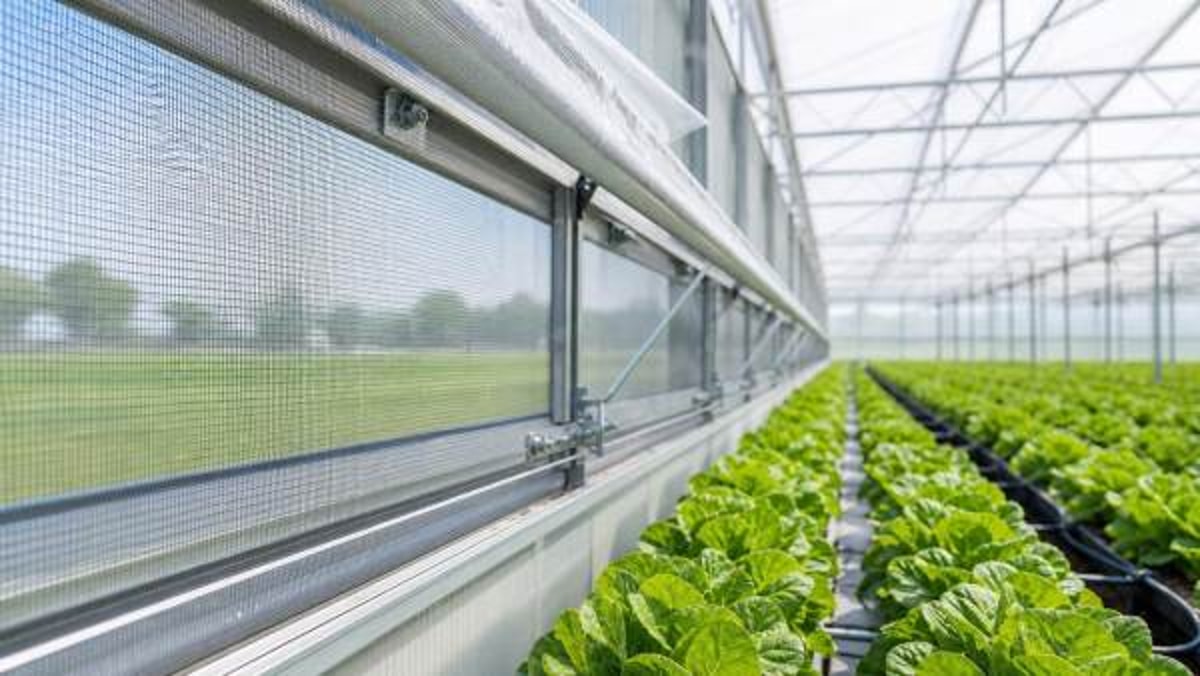
In protected cropping, choosing the right insect mesh for agriculture often means balancing pest exclusion with ventilation. Many growers worry that finer mesh will trap heat, raise humidity, and reduce crop performance. The real impact depends on mesh size, greenhouse design, local climate, and airflow strategy. Understanding these factors helps operators improve pest control without sacrificing a stable growing environment.
Does insect mesh for agriculture always reduce airflow too much?
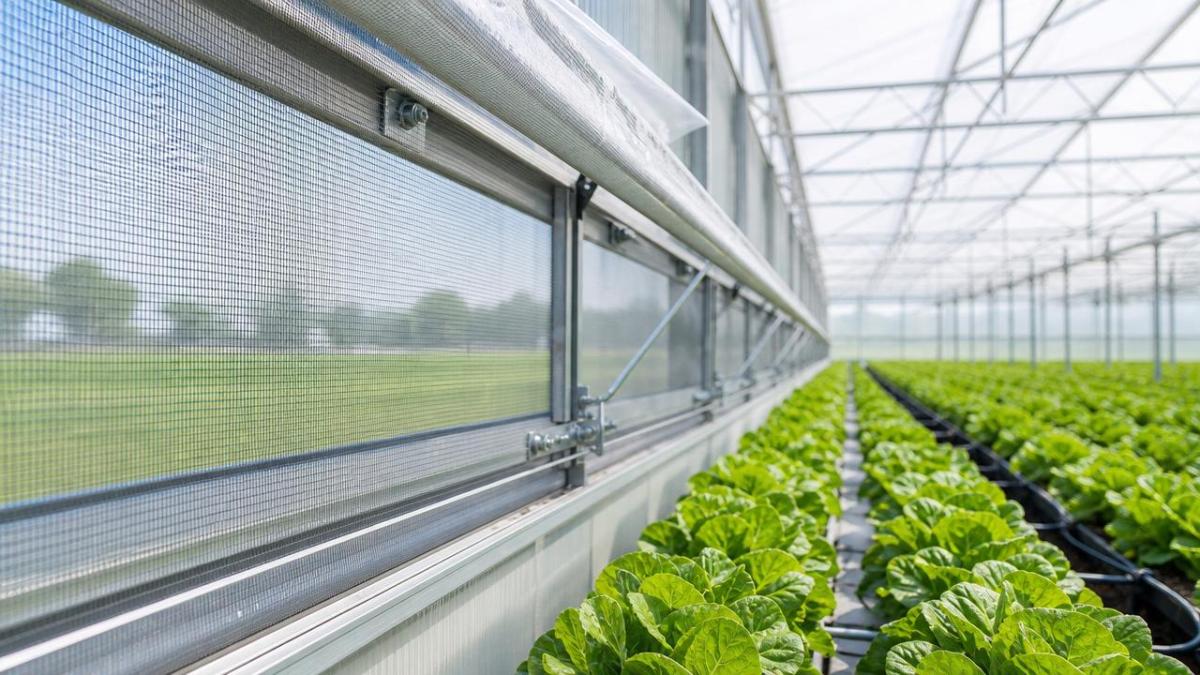
The short answer is no. Insect mesh for agriculture does reduce airflow resistance compared with an open vent, but whether that reduction is excessive depends on the crop system and the way the structure is managed. Operators often blame the mesh alone when the real problem comes from undersized vents, poor fan placement, blocked intake paths, or a mismatch between mesh porosity and local insect pressure.
For vegetable houses, nurseries, seedling propagation units, and high-value specialty crops, insect exclusion is not optional. Whiteflies, thrips, aphids, and leafminers can transmit disease quickly, reduce marketable yield, and increase pesticide dependency. In that context, insect mesh for agriculture is not simply a physical barrier. It is part of an integrated climate and crop protection strategy.
What matters most is pressure drop across the screen. A finer mesh blocks smaller pests, but it also increases resistance to incoming and outgoing air. That resistance can be manageable in mild climates or fan-assisted systems, yet problematic in hot regions with naturally ventilated houses and insufficient vent area.
- A coarse mesh generally supports better airflow but may allow entry of small insects such as thrips.
- A fine mesh improves exclusion but usually requires better vent sizing, fan support, or improved airflow paths.
- A high-quality screen with optimized thread geometry can sometimes perform better than a cheaper mesh with similar nominal opening size.
Why airflow complaints are common in practice
Operators usually notice airflow problems during peak summer afternoons, after retrofitting older houses, or when switching to more protective screening during a pest outbreak. In many cases, temperature and humidity rise because the original structure was designed around open vents rather than screened vents. Once mesh is installed, the same vent area no longer delivers the same air exchange rate.
This is where technical review becomes essential. Publications and market intelligence platforms such as AgriChem Chronicle help industrial growers and equipment buyers compare mesh options within a wider operational context, including crop sensitivity, disease risk, labor constraints, and compliance demands linked to export-grade production systems.
What technical factors decide whether airflow loss is acceptable?
When evaluating insect mesh for agriculture, operators should avoid focusing on one single number. Mesh count alone does not tell the full story. Airflow performance depends on several interacting parameters, and the most important ones should be reviewed together before procurement.
The table below summarizes the main performance variables that influence both pest exclusion and ventilation. It is a practical reference for users comparing specifications from different suppliers.
For operators, the key lesson is simple: do not buy insect mesh for agriculture based only on pest size claims. Ask for data on open area, airflow resistance, and intended insect target. If those values are not clearly presented, comparison becomes risky and post-installation climate problems become more likely.
Climate and structure matter as much as the screen
A naturally ventilated greenhouse in a hot, low-wind location is much more sensitive to screen resistance than a fan-assisted house in a temperate zone. The same insect mesh for agriculture can perform well in one site and poorly in another. Roof vent height, sidewall opening size, crop canopy density, and internal circulation all change the final result.
- Hot climates usually require larger vent areas or mechanical assistance if fine insect mesh is installed.
- Dense canopies create additional resistance, slowing air movement through the crop zone.
- Older houses often need vent redesign, not just a screen replacement.
Which insect mesh for agriculture works best in different operating scenarios?
Different crops and structures require different compromises. A seedling house protecting young plants from virus vectors may justify tighter screening than a lower-risk shade structure growing less sensitive material. Buyers should classify the operation before asking for quotations.
The scenario comparison below helps operators align insect mesh for agriculture with the practical demands of each production environment.
This comparison shows why there is no universal answer. The best insect mesh for agriculture is the one that fits the pest spectrum, climate load, and airflow design of the site. That is also why procurement teams increasingly want cross-disciplinary guidance rather than isolated product brochures.
What users should monitor after installation
Even a good specification can fail if the operational response is weak. Once the screen is installed, users should compare internal and external temperature, relative humidity, and crop stress symptoms under similar weather conditions. If the house now shows delayed cooling at sunset, persistent high humidity at dawn, or more frequent leaf wetness, the airflow path may need adjustment.
- Record baseline climate data before retrofit.
- Track conditions for at least two weeks after installation across hot and mild days.
- Inspect for uneven airflow zones near corners, sidewalls, and dense crop rows.
- Clean screens on a planned schedule to prevent performance drift.
How should buyers evaluate specifications, cost, and alternatives?
Price-led buying is one of the biggest mistakes in this category. A low-cost insect mesh for agriculture may appear attractive on a square-meter basis, yet create hidden costs through lower yield, higher disease pressure from poor ventilation, or earlier replacement due to UV degradation. Users need a total operating cost view, not just a purchase price view.
A practical procurement checklist
- Define the target pests first. Thrips exclusion requires a different screen strategy than general moth or aphid reduction.
- Ask for airflow or pressure-drop data, not only mesh count.
- Review UV stability, expected service life, and cleaning tolerance under local conditions.
- Check whether the existing frame, vent motor, or fastening system can support the selected screen.
- Plan for installation quality. Gaps at seams and corners can undermine even the best insect mesh for agriculture.
When budgets are constrained, some operators consider alternatives such as broader integrated pest management, sticky monitoring systems, biological controls, or partial screening on the most critical openings. These measures can help, but they rarely replace screening where insect entry pressure is high. In many commercial systems, the real question is not mesh versus no mesh. It is which screen level is economically sustainable.
Compliance, documentation, and industrial procurement expectations
In export-oriented and regulated supply chains, traceable inputs and validated operating conditions matter more every year. While insect mesh for agriculture is not regulated in the same way as APIs or feed additives, institutional buyers still look for clear material data, intended use information, and compatibility with hygienic production goals. This is particularly relevant for propagation units, high-value horticulture, and integrated operations supplying sensitive downstream markets.
That broader procurement mindset is why AgriChem Chronicle remains useful beyond product news. Its editorial model connects agricultural machinery, controlled-environment production, material performance, and compliance thinking, allowing operators and purchasing teams to compare solutions with more technical discipline.
Common questions about insect mesh for agriculture
Can finer insect mesh for agriculture increase humidity enough to affect disease risk?
Yes, it can, especially in structures that rely heavily on natural ventilation. Reduced air exchange can slow moisture removal, leading to longer high-humidity periods around dawn and after irrigation. The risk is highest where crop density is heavy and airflow across the canopy is weak. The solution is not always a looser mesh. Sometimes it is better vent design, circulation fans, or irrigation timing adjustments.
Is mesh count enough to compare products from different suppliers?
No. Two screens with similar mesh count may behave differently because of thread diameter, weaving pattern, open area, and material finish. Operators should request a fuller specification set and compare application intent rather than relying on a single nominal value.
How often should insect mesh for agriculture be inspected?
Visual inspection should be routine, especially before peak pest season and after storms or maintenance work on vents. Look for tears, loose seams, debris build-up, and stretched zones near fixings. Functional checks should also include climate review, because a screen can appear intact while airflow performance has already declined.
Are there situations where a more open screen is the better choice?
Yes. In very hot climates, for crops that can tolerate some insect pressure, or in structures where mechanical ventilation is not feasible, a more open screen may protect overall crop performance better than a very fine one. The decision should be based on economic thresholds, likely pest species, and the cost of climate stress versus pest damage.
Why choose us for deeper screening analysis and procurement support?
AgriChem Chronicle helps operators, technical buyers, and industrial farming teams move beyond generic sales claims. Because our editorial coverage connects agricultural equipment, biochemical risk management, processing standards, and international supply chain scrutiny, we are positioned to support more disciplined decision-making around insect mesh for agriculture and related protected-cropping inputs.
If you are reviewing a new project or correcting an existing ventilation problem, you can contact us for focused support on the issues that matter operationally:
Related Intelligence
- Smart GreenhouseWorld's First 10,000-Car RoRo Delivered; Smart Greenhouse Cargo Gets Dedicated Cold-Chain SlotWorld's first 10,000-car RoRo vessel 'Yuanwang' delivers smart greenhouse cargo via dedicated cold-chain slots — optimized for precision agri-tech exports.
- Smart GreenhouseAnti bird netting wholesale failures often start at knot strengthAnti bird netting wholesale decisions often fail at knot strength. Learn how to inspect quality, reduce replacement risk, and choose suppliers that deliver safer, longer-lasting netting.
- Smart GreenhouseAgricultural shade net bulk: when shade percentage misleads buyersAgricultural shade net bulk buying is not just about shade percentage. Learn how to compare UV stability, airflow, yarn quality, and durability before you source.
The Morning Broadsheet
Daily chemical briefings, market shifts, and peer-reviewed summaries delivered to your terminal.
