

The Authority in Global Agricultural Chemistry & Bio-Resources
Wood chipper machines wholesale without underestimating feed size
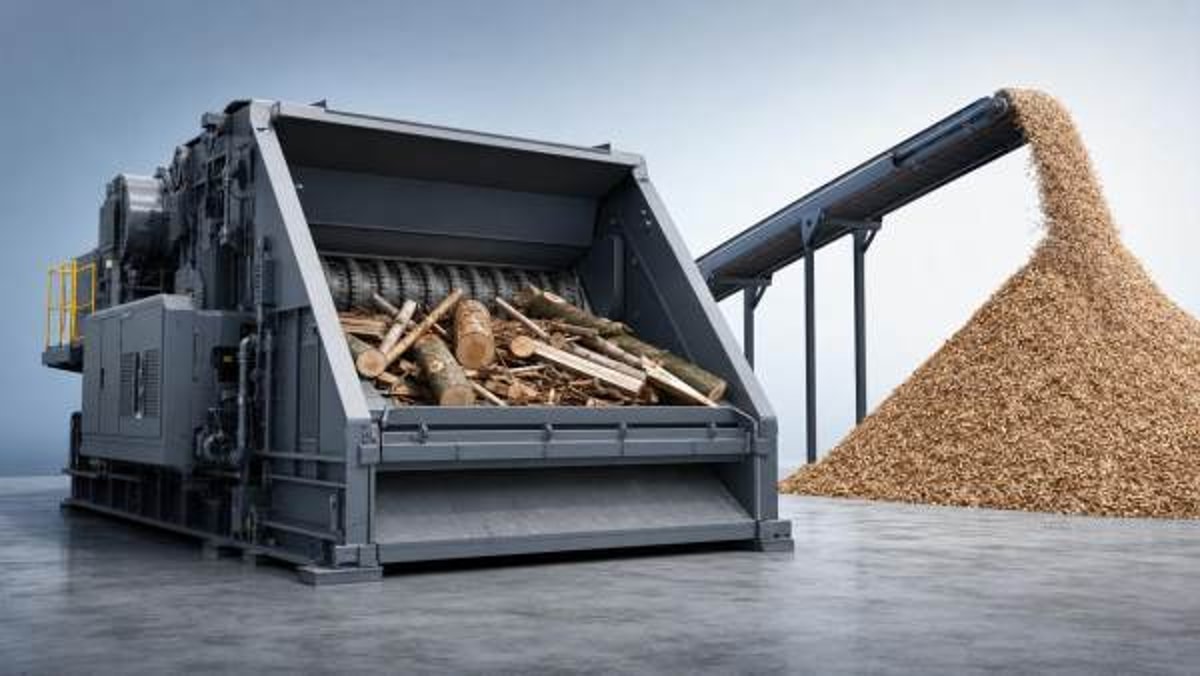
For procurement teams evaluating wood chipper machines wholesale, feed size is more than a technical detail—it directly affects throughput, safety, and operating cost. In industrial forestry and biomass processing, underestimating input dimensions can lead to bottlenecks, equipment strain, and costly downtime. This article examines how buyers can assess machine capacity with greater accuracy and make sourcing decisions that align with performance, compliance, and long-term value.
Why feed-size assumptions are becoming a bigger procurement risk
A clear shift is taking place across forestry, biomass, landscaping waste, and feedstock preprocessing: input material is becoming less uniform, while buyers are under more pressure to guarantee output stability. This change matters directly to teams sourcing wood chipper machines wholesale. In the past, many purchasing decisions centered on engine power, advertised capacity, and price per unit. Today, buyers increasingly discover that these headline figures do not protect them from throughput loss when actual branch diameter, slab thickness, moisture, or forked geometry exceeds the machine’s practical feed envelope.
The result is a more disciplined market. Procurement teams are asking not only, “What is the maximum feed opening?” but also, “What does this machine process continuously without strain?” That distinction is essential because the growing use of mixed timber residues, storm-damaged wood, orchard waste, sawmill offcuts, and biomass collection streams has made real-world feed behavior harder to predict. In other words, underestimating feed size is no longer a minor technical oversight; it is a strategic sourcing error.
The trend behind the change: raw material variability is rising
One of the strongest signals in this market is the steady increase in material variability. Operators are processing broader mixes of hardwood and softwood, more irregular waste streams, and larger volumes collected from decentralized sites. This affects every discussion around wood chipper machines wholesale because rated feed size often reflects ideal test conditions rather than the realities of crooked limbs, bark-heavy bundles, or moisture-swollen residues.
Several forces are driving this shift. Biomass users are trying to maximize residue recovery. Municipal and commercial land-clearing programs are handling more seasonal surges. Forestry operators are balancing labor availability with mobile processing efficiency. At the same time, sustainability goals are pushing companies to utilize materials that were previously discarded. As feedstock broadens, the procurement process must move beyond simple nominal dimensions and examine actual operating tolerance.
For institutional buyers, this means wood chipper machines wholesale evaluation is shifting from catalog comparison to operating-profile verification. Machines are no longer judged only by whether they can chip wood, but by whether they can chip the specific material mix of the buyer’s business with acceptable labor, maintenance, and safety outcomes.
Why rated feed opening is no longer enough
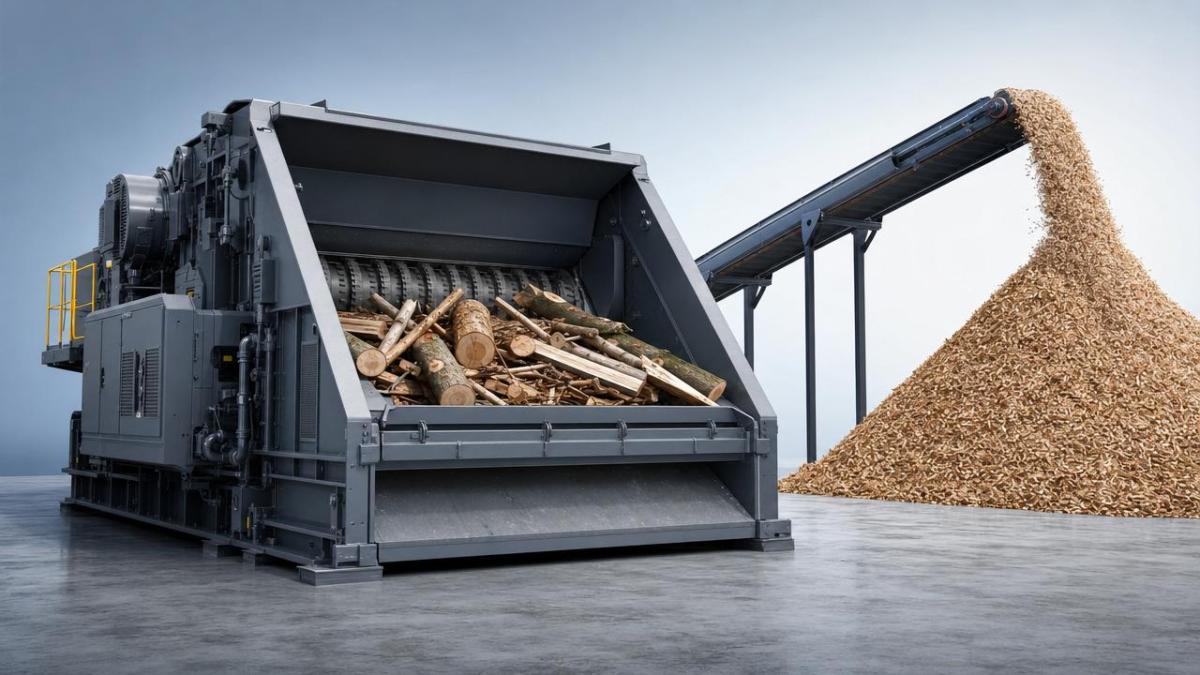
A feed opening dimension is useful, but it is not the full story. Buyers sourcing wood chipper machines wholesale increasingly need to distinguish among throat size, infeed geometry, roller grip strength, cutting system design, and rotor or drum inertia. A machine may accept a certain diameter in a straight test piece, yet perform poorly with forked, stringy, or wet materials. This gap between stated capacity and sustained capacity is where many procurement problems begin.
Another market change is that end users expect more predictable output sizing for downstream use in biomass boilers, pellet plants, composting systems, or transport logistics. When feed material is larger or less uniform than expected, chip consistency often suffers. That can create a chain reaction: slower screening, more recirculation, increased fuel burn, and less stable output quality. Procurement teams therefore need a broader definition of capacity—one that includes both material acceptance and output control.
Questions now replacing older buying habits
Instead of relying on headline specifications alone, many advanced buyers now ask: What percentage of daily feedstock falls near the upper limit? How often does the machine require operator trimming or pre-cutting? What is the throughput on high-moisture hardwood versus dry softwood? How does infeed speed respond to oversized but processable pieces? These questions reflect a trend toward evidence-based sourcing rather than brochure-based selection.
Technology upgrades are changing buyer expectations
The market for wood chipper machines wholesale is also being reshaped by technology improvements. Intelligent feed control, hydraulic reverse systems, overload sensing, adjustable knives, and better rotor balancing are making machines more tolerant of variation. This does not eliminate the need to assess feed size carefully, but it does change what buyers should compare. A lower-cost machine with a generous nominal opening may still underperform against a better-engineered unit with stronger feeding dynamics and smarter protection logic.
This is particularly relevant for buyers serving multiple sites or seasonal contracts. Equipment flexibility has become more valuable because input streams shift faster than they once did. Machines that can absorb variation without frequent stoppages may justify a higher acquisition cost. In wholesale procurement, especially where fleets or multi-unit contracts are involved, the operational difference becomes magnified over time.
Who feels the impact most across the value chain
Not every buyer is affected in the same way. The consequences of underestimating feed size depend on operating model, labor costs, output targets, and service obligations. That is why procurement teams should map the effects by user type rather than treating all applications as identical.
For procurement professionals, this impact analysis supports better specification writing. Instead of ordering by generic machine class, buyers can align the sourcing brief with actual business exposure. That improves vendor comparison and reduces the risk of post-installation disputes over what the machine was expected to handle.
Compliance and safety are tightening the margin for error
Another important trend is the reduced tolerance for unsafe operating workarounds. When equipment is undersized for true feed conditions, operators often compensate by forcing material, trimming manually near the infeed, or overloading cycles to maintain productivity. These behaviors increase mechanical stress and raise safety exposure. For buyers of wood chipper machines wholesale, that means feed-size evaluation is now linked not only to productivity but also to governance and duty-of-care expectations.
In regulated industrial environments, procurement teams are increasingly asked to document why a machine is suitable for the intended waste stream or production profile. Supplier transparency matters more here. Buyers should request technical documents, testing references, guarding details, wear-part schedules, and evidence of conformity to relevant market requirements. The broader market direction is clear: informal assumptions are being replaced by documented validation.
How experienced buyers are adapting their evaluation model
A notable market response is the move toward scenario-based procurement. Rather than choosing wood chipper machines wholesale from a static specification sheet, experienced buyers are building decision models around actual feed categories. They separate routine material from peak-condition material, estimate how often oversize pieces occur, and decide whether preprocessing is cheaper than overspecifying the chipper fleet.
This change is practical because the right answer is not always “buy the largest machine.” Oversizing can increase capital cost, fuel use, transport complexity, and wear expenses if the machine mostly runs below its efficient range. What matters is matching realistic feed variability to a machine that can maintain throughput without depending on unsafe or labor-intensive intervention.
A stronger shortlist process
Procurement teams can improve outcomes by comparing suppliers against a common set of questions: What is the continuous feed recommendation? What material shapes reduce performance? What recovery system is available for jams? What is the service interval under mixed biomass conditions? How are knife and anvil settings adjusted in field conditions? These questions support a more disciplined wood chipper machines wholesale review and reduce the chance of buying on nominal capacity alone.
What signals deserve close attention over the next buying cycle
Looking ahead, several signals are likely to shape sourcing decisions. First, expect more demand for machines that can process variable feedstock while preserving chip uniformity. Second, expect buyer preference to shift toward suppliers who provide application-specific guidance rather than generic claims. Third, maintenance transparency will matter more, especially where labor shortages make unscheduled repairs harder to absorb. Fourth, digital monitoring may become a stronger differentiator, helping operators track overload patterns that reveal whether actual feed size is drifting beyond the intended operating range.
These signals suggest that wood chipper machines wholesale will increasingly favor suppliers able to combine engineering credibility with documentation, after-sales support, and realistic performance communication. In a market where equipment must serve both operational and compliance objectives, trust is becoming a procurement variable in its own right.
Practical judgment points before placing a wholesale order
Before committing to a wholesale purchase, buyers should confirm a few issues that reveal whether the selected machine truly fits future demand. Review the largest recurring feed dimensions, not just average sizes. Check whether the supplier distinguishes between maximum theoretical feed size and recommended continuous feed size. Verify how moisture, species, forked shapes, and contamination affect performance. Assess whether local service, spare parts, and operator training are sufficient for the machine class being considered.
It is also wise to evaluate the sourcing decision in stages. Start with feed characterization, then compare machine tolerance, then test lifecycle assumptions. This phased approach reflects the broader trend in industrial procurement: better front-end validation usually lowers total cost far more effectively than reacting to breakdowns after installation.
FAQ for procurement teams reviewing wood chipper machines wholesale
Is a larger feed opening always the safer buying decision?
No. A larger opening helps only if the feeding system, cutting design, and powertrain can sustain the material profile efficiently. For many buyers, a well-matched machine with strong real-world feed control delivers better value than a larger but less efficient unit.
Why do two machines with similar stated capacity perform differently?
Because throughput depends on more than nominal size. Infeed angle, roller pressure, rotor inertia, knife condition, moisture handling, and anti-jam systems all affect practical performance. That is why wood chipper machines wholesale comparison should include design behavior under mixed feed conditions.
What is the main cost of underestimating feed size?
The biggest cost is often not the initial jam itself, but the chain of consequences: lower throughput, more labor intervention, faster wear, inconsistent chip quality, and missed production commitments. Over time, these losses can outweigh any initial savings from choosing a smaller or cheaper machine.
Final takeaway for strategic buyers
The market is sending a consistent message: when evaluating wood chipper machines wholesale, feed size can no longer be treated as a simple catalog figure. Material variability is rising, uptime expectations are increasing, compliance standards are sharpening, and technology differences are widening the gap between nominal and practical capacity. Buyers who adapt to these changes will make better long-term decisions.
If your organization wants to judge how these trends affect its own sourcing plan, focus on a few key questions: What does your real feedstock mix look like in peak conditions? Which oversize events are recurring rather than exceptional? How much downtime can your operation absorb? And which suppliers can document performance honestly under those conditions? Those answers will do more to improve procurement quality than any headline specification alone.
Related Intelligence
- Forestry EquipmentBIS Mandates Separate Certification for Drone & AI Modules in Forestry EquipmentBIS mandates separate certification for drone & AI modules in forestry equipment—key for Chinese exporters targeting India. Act now to avoid license invalidation by 30 Sep 2026.
- Forestry EquipmentPortable sawmill manufacturer claims that deserve a closer lookPortable sawmill manufacturer claims can sound impressive, but which ones hold up in real use? Discover a practical checklist to compare output, durability, service, and true lifecycle value.
- Forestry EquipmentCommercial stump grinders: what causes vibration to get worse fastStump grinders commercial crews use can develop severe vibration fast. Learn the top causes, warning signs, and maintenance checks to prevent downtime and costly failures.
The Morning Broadsheet
Daily chemical briefings, market shifts, and peer-reviewed summaries delivered to your terminal.
