

The Authority in Global Agricultural Chemistry & Bio-Resources
Commercial stump grinders: what causes vibration to get worse fast
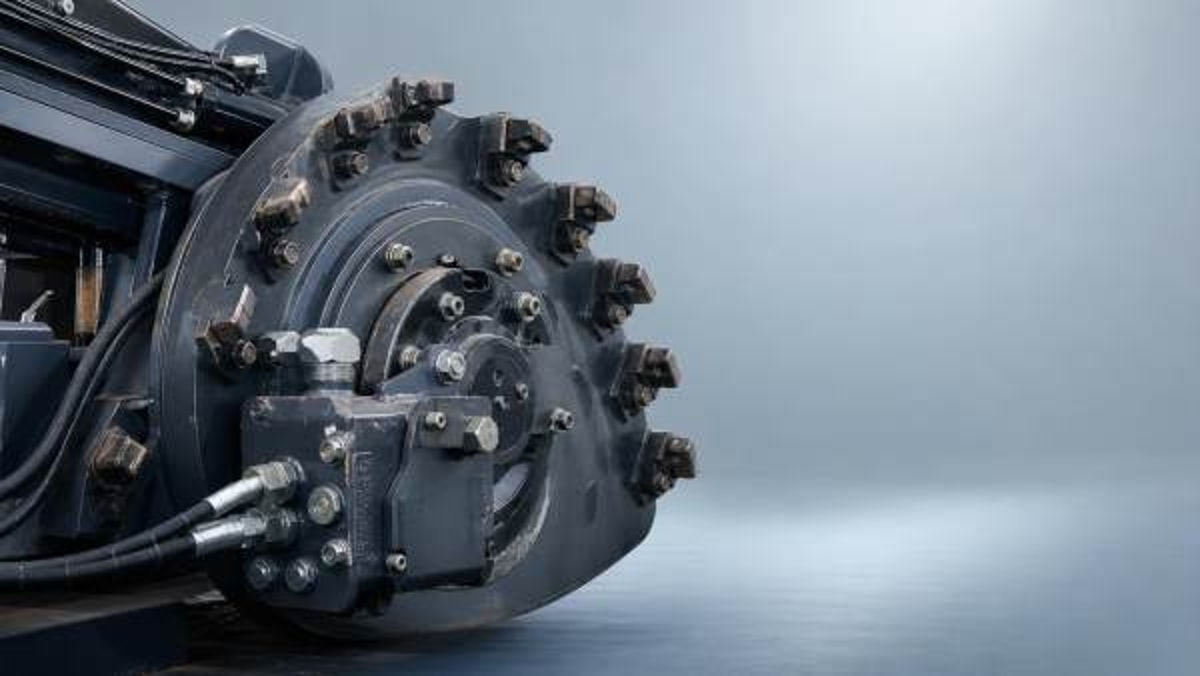
When vibration in stump grinders commercial crews rely on starts getting worse fast, it is rarely random. For aftersales maintenance teams, rising vibration often signals escalating issues with cutter wheel balance, worn bearings, loose hardware, hydraulic irregularities, or damaged teeth. Identifying the root cause early is essential to prevent unsafe operation, costly downtime, and accelerated component failure in high-demand field conditions.
Why does vibration in stump grinders commercial fleets escalate so quickly?
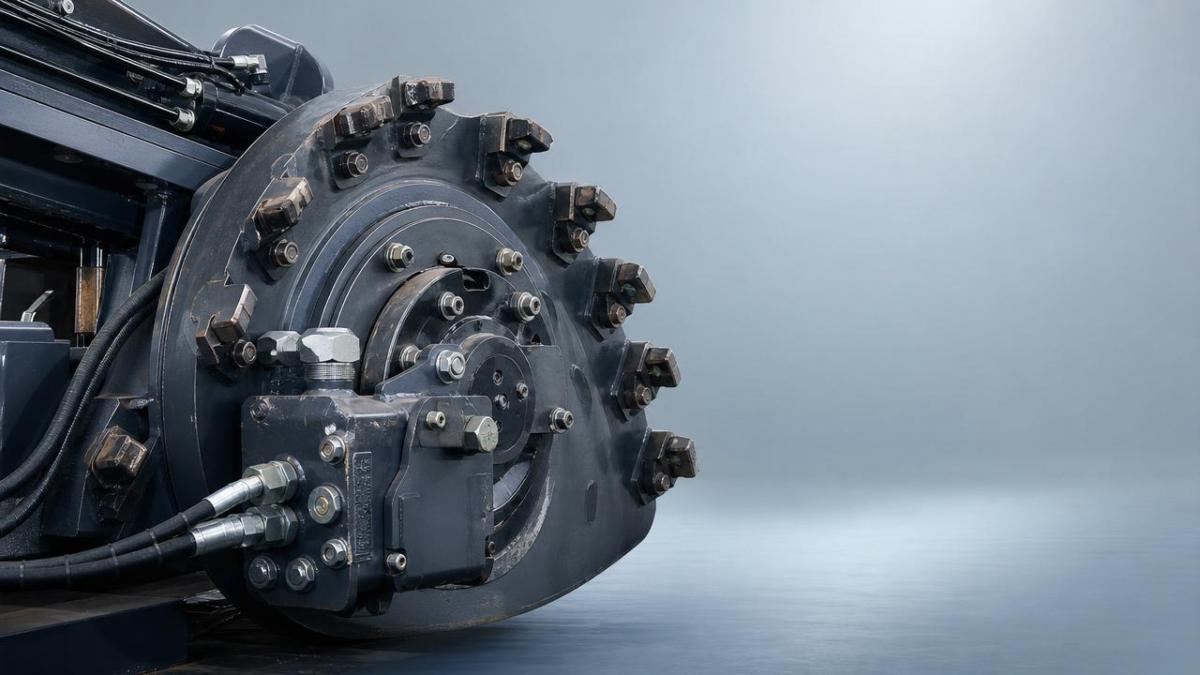
In commercial stump grinding, vibration rarely stays stable once it begins to increase. Machines operate under repeated shock loading, dust ingress, intermittent impact, and variable soil contact. A minor imbalance that seems tolerable in the morning can become a bearing, spindle, or mounting failure by the next shift.
For aftersales maintenance personnel, the key issue is not only identifying a noisy machine. It is understanding why deterioration accelerates. In agricultural and forestry machinery service environments, vibration compounds wear across multiple systems at once. Cutter wheel instability affects bearings, bearings affect shaft alignment, and alignment problems transfer force into hydraulic motors, belts, couplings, and chassis mounts.
This matters even more for mixed fleets working across municipalities, land clearing contractors, orchards, timber sites, and industrial vegetation management projects. The same stump grinders commercial operators use in one region may face very different root conditions, operator habits, and maintenance intervals in another.
- High cutter wheel RPM amplifies even small mass differences caused by missing teeth, packed debris, or uneven wear.
- Shock loads from hidden rocks, embedded metal, or root flare transitions can deform hardware and loosen fasteners quickly.
- Dust, moisture, and resin contamination shorten lubrication life, which raises heat and bearing play.
- Hydraulic flow instability or belt tension drift can mimic mechanical imbalance, causing misdiagnosis if checks are rushed.
AgriChem Chronicle tracks these machinery reliability questions within a broader primary industries context. For maintenance teams and procurement managers, technical interpretation matters because field service decisions affect uptime, replacement planning, and total operating cost across entire equipment portfolios.
Which components usually cause fast-rising vibration first?
The table below gives a practical fault map for stump grinders commercial service teams. It focuses on the components most often linked to rapidly worsening vibration, the field symptoms typically seen first, and the likely downstream risks if the machine remains in service.
For most stump grinders commercial workshops support, cutter wheel condition and bearing condition should be checked before deeper teardown. These two areas account for a large share of fast-rising vibration events, especially where machines run long hours and tooth replacement practices vary by crew.
The cutter wheel is often the first multiplier
A single missing tooth does not just reduce cutting efficiency. It changes mass distribution and cutting force symmetry. If neighboring teeth are already worn unevenly, vibration can rise sharply within one shift. On some machines, pocket deformation also prevents correct tooth seating, so replacement teeth do not restore balance as expected.
Bearing failure can look like a tooth issue at first
Aftersales teams often receive reports that “the wheel feels rough” or “the machine shakes only under heavy cut.” That does not always mean tooth geometry is the only problem. When bearings develop play, the wheel can wander under load and produce symptoms similar to imbalance. If maintenance only replaces teeth, the vibration returns quickly.
How should aftersales teams diagnose vibration without wasting service hours?
A disciplined troubleshooting process reduces misdiagnosis and unnecessary parts replacement. This is especially important when stump grinders commercial service providers support are deployed far from the workshop and field callouts are expensive.
- Confirm the complaint pattern. Ask when vibration occurs: idle, spin-up, free-running wheel, entry into the stump, side sweep, or deceleration.
- Inspect tooth count, tooth orientation, pocket integrity, and visible wheel contamination before starting the machine.
- Check wheel end play, bearing temperature history, lubrication condition, and any signs of seal failure.
- Verify torque retention on tooth bolts, wheel fasteners, guards, chassis mount points, and engine or hydraulic motor mounting hardware.
- Review hydraulic pressure consistency, hose pulsation, motor output smoothness, and belt or coupling condition if the unit uses mechanical transfer.
- Test under controlled load only after static checks are complete, then compare vibration behavior with operating speed and cutting direction.
This sequence matters because it separates balance problems from drive problems. It also helps maintenance teams document findings clearly for operators, fleet managers, and procurement departments deciding whether to repair, rebuild, or rotate the machine out of service.
What should be measured, not guessed?
- Radial and axial play at the cutter wheel assembly.
- Temperature difference between bearing sides after comparable work cycles.
- Tooth wear distribution across the wheel, not just the most damaged positions.
- Hydraulic pressure stability during cut entry and recovery.
- Fastener torque retention trend between service intervals.
When these measurements are recorded consistently, patterns emerge. ACC’s editorial approach emphasizes this kind of evidence-led maintenance logic because industrial buyers and fleet owners increasingly expect service recommendations to be traceable, defensible, and operationally relevant.
How can maintenance teams tell imbalance from hydraulic or structural vibration?
Not every severe shake in stump grinders commercial users report comes from the cutter wheel alone. The comparison below helps distinguish likely source categories during inspection and field testing.
This distinction is useful for both repair efficiency and parts planning. If the wrong subsystem is blamed, operators lose confidence, service costs rise, and repeat failures damage maintenance credibility. That is why experienced aftersales teams build vibration diagnosis around symptom pattern, not assumptions.
What maintenance mistakes make stump grinders commercial units deteriorate faster?
Fast-rising vibration is often worsened by avoidable service habits. In mixed-industry fleets, maintenance standards can drift because the same workshop may support forestry attachments, tractors, loaders, and processing equipment with different risk profiles. Stump grinding assemblies, however, are less forgiving than many operators realize.
Common workshop and field errors
- Replacing only the visibly broken teeth while leaving a severely uneven wear pattern around the wheel.
- Reusing damaged pockets or stretched fasteners that no longer hold torque consistently.
- Greasing on schedule without checking contamination, purge condition, or bearing temperature trend.
- Ignoring minor frame resonance because the machine can still cut, even though structural looseness is developing.
- Overlooking hydraulic fluctuations because vibration appears mechanical at first contact.
Another frequent mistake is treating all tooth systems as interchangeable from a balancing perspective. Even when dimensions appear similar, differences in tooth mass, pocket fit, and carbide wear geometry can affect wheel smoothness. Procurement teams and service departments should align on approved replacement specifications instead of buying only on immediate unit price.
What should procurement and service managers evaluate before ordering parts or scheduling rebuilds?
For stump grinders commercial operations cannot afford long downtime. The right decision is not always full rebuild versus quick repair. Often the better question is whether the machine’s current failure pattern justifies a planned component package replacement, a wheel refurbishment, or a broader drive-line inspection.
The table below supports maintenance-led procurement discussions by linking service symptoms to practical decision criteria.
This kind of structured evaluation is increasingly valuable in regulated and cost-sensitive primary industries. ACC often highlights how maintenance decisions affect supply chain reliability, capital planning, and buyer confidence beyond the workshop floor.
Procurement checkpoints for aftersales teams
- Confirm whether replacement parts match original mass and geometry closely enough to preserve wheel balance.
- Request dimensional and material consistency data where available, especially for teeth, pockets, and critical rotating hardware.
- Check service lead times, not only catalog availability, when planning seasonal fleet readiness.
- Align workshop labor windows with parts delivery so machines are not stripped and then left waiting.
How do standards, documentation, and service discipline reduce risk?
While no single universal vibration standard governs all commercial stump grinder maintenance decisions, disciplined documentation and safe service procedure remain essential. In sectors influenced by broader compliance culture, including agricultural operations and regulated industrial sites, maintenance records increasingly support insurance, contractor qualification, and incident review.
Minimum documentation worth keeping
- Date, operating hours, and complaint description linked to the machine identification record.
- Tooth replacement map showing position, quantity changed, and pocket observations.
- Bearing play, temperature observations, lubrication findings, and any seal leakage noted during inspection.
- Torque checks for wheel hardware and mounting points after service and after initial return to work.
- Hydraulic test notes where vibration behavior suggests flow or pressure irregularity.
For larger operators, this data becomes a strategic asset. It can show whether certain sites produce abnormal wear, whether operator technique affects tooth loss rates, or whether a parts source is associated with recurrent imbalance complaints. That evidence improves both maintenance planning and supplier evaluation.
FAQ: practical questions aftersales teams ask about stump grinders commercial vibration
How quickly should a machine be stopped once vibration gets noticeably worse?
If vibration has increased suddenly, especially after tooth loss, impact, or a change in sound, the safest approach is to remove the machine from productive cutting until the rotating assembly is inspected. Continuing to run may turn a manageable tooth or fastener issue into bearing, shaft, or housing damage that is far more expensive to correct.
Can replacing only one or two teeth solve the problem?
Sometimes, but not reliably. If the wheel already has uneven wear distribution, replacing only the missing or broken teeth may leave the assembly out of balance. Aftersales teams should inspect the full pattern, pocket condition, and relative wear state before deciding on partial replacement.
What if vibration appears only under heavy cutting load?
That often points toward bearing play, shaft deflection, hydraulic irregularity, or structural looseness becoming visible only when load rises. It can still involve tooth imbalance, but load-dependent vibration deserves a broader diagnostic path than a simple visual wheel check.
Should service teams prioritize spare bearings or spare teeth in inventory?
Most fleets need both, but the correct inventory profile depends on operating hours, stump conditions, and service response time. Teeth are the more frequent wear item, while bearings are the more disruptive failure item. If field access is difficult and downtime is costly, carrying planned bearing and seal kits for high-hour machines is often justified.
Why choose us for technical insight and next-step support?
AgriChem Chronicle supports industrial decision-makers with sector-specific analysis that connects machinery reliability, procurement judgment, and supply chain realism. For teams dealing with stump grinders commercial service issues, that means more than general advice. It means practical guidance shaped by the operating conditions of forestry, agriculture, and primary processing environments.
If your team is evaluating vibration-related failures, you can contact us to discuss parameter confirmation for rotating components, replacement part selection logic, service interval planning, delivery timing considerations, and documentation expectations for industrial buyers or managed fleets. We can also help frame supplier comparison questions, maintenance workflow priorities, and technical content requirements for OEM, distributor, or aftermarket communication.
For organizations that need stronger market visibility, ACC also provides a high-authority publishing environment for validated technical papers, maintenance guidance, manufacturing capability profiles, and procurement-facing content across agricultural and forestry machinery. That helps manufacturers and service partners present credible operational knowledge directly to professional buyers and maintenance stakeholders.
Related Intelligence
- Forestry EquipmentPortable sawmill manufacturer claims that deserve a closer lookPortable sawmill manufacturer claims can sound impressive, but which ones hold up in real use? Discover a practical checklist to compare output, durability, service, and true lifecycle value.
- Forestry EquipmentCommercial stump grinders: what causes vibration to get worse fastStump grinders commercial crews use can develop severe vibration fast. Learn the top causes, warning signs, and maintenance checks to prevent downtime and costly failures.
- Forestry EquipmentSkid steer brush cutter limits you should know before land clearingSkid steer brush cutter limits can make or break a land clearing project. Learn how hydraulics, terrain, vegetation, and safety affect performance before you commit equipment.
The Morning Broadsheet
Daily chemical briefings, market shifts, and peer-reviewed summaries delivered to your terminal.
