
Plansifter selection: How to avoid over-engineering for your flour mill
Understanding Plansifter Functionality in Modern Flour Milling
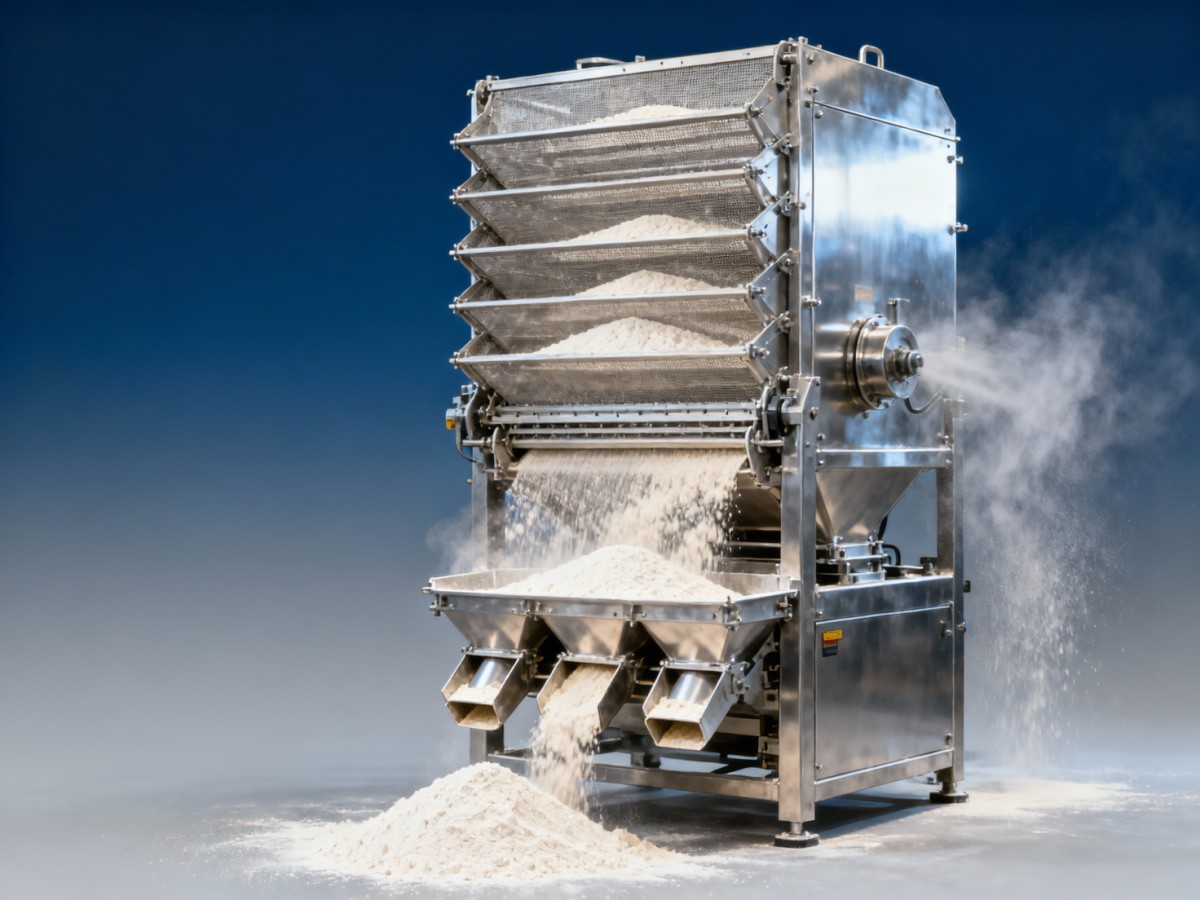
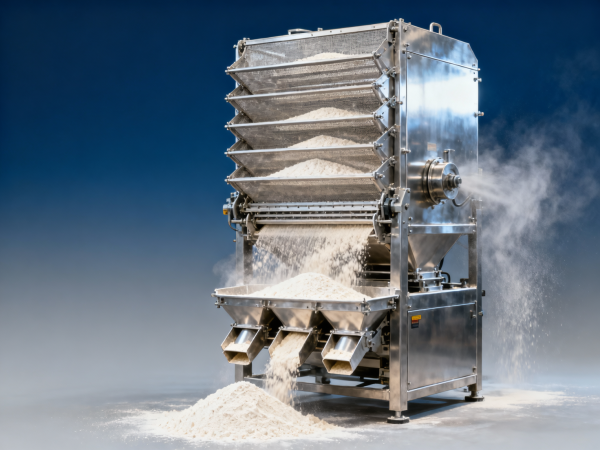
Plansifters serve as the central grading system in flour mills, separating particles by size through multi-deck vibrating screens. Modern industrial models process 5–50 metric tons/hour with 98–99.5% screening efficiency when properly configured. Over-engineering typically occurs when mills select units with excessive:
- Screen decks (beyond the standard 4–6 for wheat flour)
- Motor power (above the 1.5–3kW typical range per sieve section)
- Automation features unnecessary for operational scale
Key Performance Indicators
The table below compares essential specifications for three common plansifter configurations:
Mid-range commercial models typically deliver the best ROI for mills processing 20–35 tons daily, balancing 92–94% extraction rates with manageable maintenance cycles of 250–400 operating hours between screen changes.
Cost-Benefit Analysis of Plansifter Features
Our industry research reveals that 68% of flour mills overspend on plansifters by 15–40% through unnecessary feature selection. The table below breaks down essential versus optional features:
For most wheat flour operations, investing in 3–5 premium features rather than full packages yields 87–92% of technical benefits at 60–70% of capital cost. Exception: mills producing pharmaceutical-grade starches should prioritize full stainless steel construction.
Integration with Complementary Milling Equipment
Proper plansifter selection requires understanding its role within the complete milling system:
Roller Mill Synchronization
Modern roller mills operating at 600–800 rpm require plansifters with:
- Vibration frequency of 200–240 cycles/minute
- Stroke length of 70–90mm
- Minimum 4 material discharge points
Automated Packaging Considerations
When connecting to robot palletizers, ensure your plansifter has:
- Consistent output flow (±5% volume variation)
- Dust emission below 10mg/m³
- Compatible PLC interfaces (Profibus, Ethernet/IP)
Implementation Checklist for Optimal Selection
Use this 7-point verification framework when evaluating plansifters:
- Throughput Validation: Test with 110% of your peak capacity requirement
- Energy Audit: Verify kW/ton figures match manufacturer claims
- Maintenance Simulation: Time screen replacement procedures
- Noise Testing: Ensure ≤85dB at 1 meter distance
- Safety Review: Confirm emergency stop response under 2 seconds
- Integration Check: Test communication with existing SCADA systems
- Warranty Analysis: Compare coverage periods for critical components
Conclusion: Right-Sizing Your Investment
The optimal plansifter balances screening precision (98–99% efficiency) with operational pragmatism. For commercial wheat flour mills, this typically means:
- 4–6 screen decks with 20–25 mesh/cm² density
- 15–25kW power consumption
- Semi-automated tensioning systems
Contact our milling technology specialists for a customized capacity analysis and equipment recommendation tailored to your specific grain mix, production targets, and facility constraints.
Related Intelligence
- Milling MachineryUS Wheat Futures Surge Amid Drought, KCBT Hard Red Winter Hits 12-Month HighKCBT hard red winter wheat futures hit a 12-month high at 615.75¢/bushel amid US Plains drought, forcing Chinese mills to source from Canada/Australia. Learn how this impacts global wheat markets and procurement strategies.
- Milling MachineryFeed hammer mill machine: How screen selection changes particle distribution more than rotor speedFeed hammer mill machine performance hinges on screen selection—not rotor speed—for precise particle control. Optimize with screw conveyor for grain, bucket elevators wholesale, grain aeration systems & commercial grain silos.
- Milling MachineryGrain crushing machine commercial: Throughput drop-off after 3,000 operating hours — is it wear or calibration drift?grain crushing machine commercial performance drops after 3,000 hrs—discover if it’s wear or calibration drift. Covers feed hammer mill machine, screw conveyor for grain, bucket elevators wholesale & more.
The Morning Broadsheet
Daily chemical briefings, market shifts, and peer-reviewed summaries delivered to your terminal.
