
China's Feed Machinery Industry Accelerates Intelligent Upgrade with AI Vision System
China's Feed Machinery Industry Accelerates Intelligent Upgrade with AI Vision System
Introduction
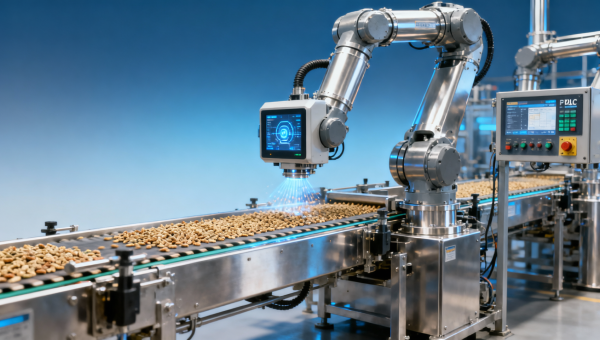
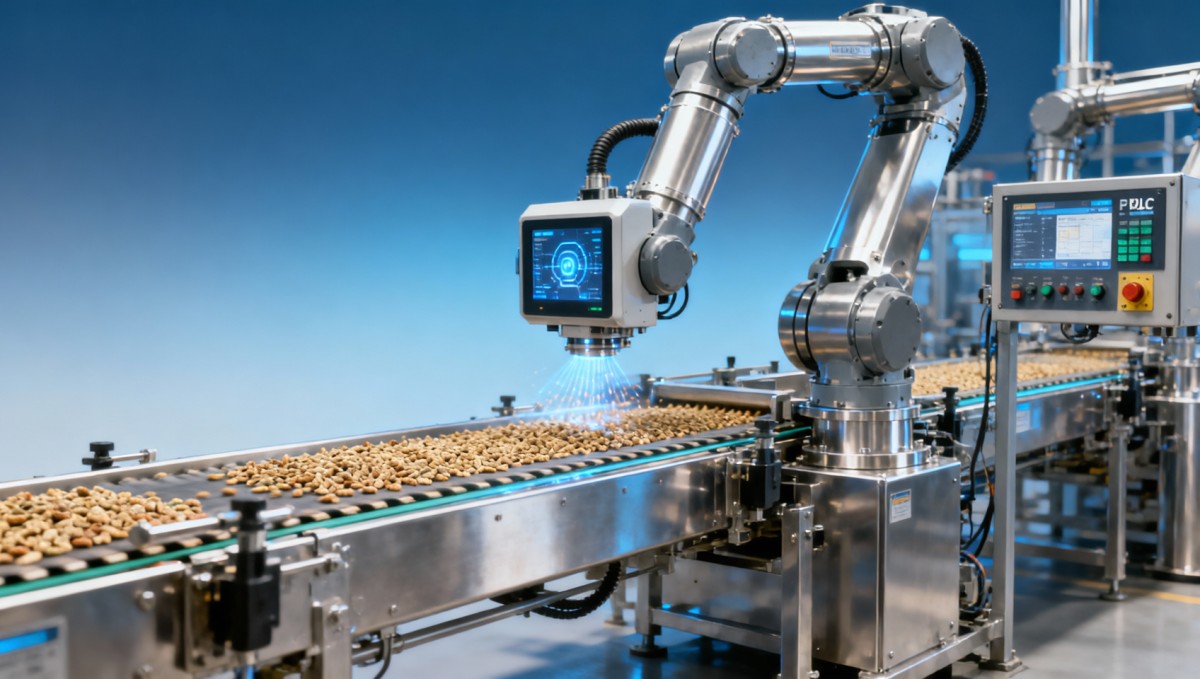
A leading wheat processing company in Dongguan has established a 7-story intelligent workshop, integrating AI vision recognition and PLC control systems. This development, achieving a daily output of 1,600 tons of wheat flour with a 99.97% quality inspection accuracy rate, marks a significant advancement in China's feed and food machinery sector. The production line has obtained the EU IFS Food v7 certification and is now handling customized orders from Southeast Asia and Russia, setting a benchmark for high-reliability machinery exports. This event is noteworthy for industries involved in feed processing, food manufacturing, and agricultural equipment, as it highlights the growing trend of intelligent automation in production processes.
Event Overview
The Dongguan-based company has successfully implemented an AI vision recognition system across the entire wheat processing workflow, including bagging, filling, sealing, inspection, and palletizing. The production line's high efficiency and accuracy have been validated by the EU IFS Food v7 certification, positioning it as a model for international clients. The facility is currently serving customized orders from markets in Southeast Asia and Russia, demonstrating the global competitiveness of China's feed and food machinery.
Impact on Sub-sectors
Feed and Food Processing Companies
The adoption of AI-driven quality control systems enhances production efficiency and reduces waste, setting new standards for the industry. Companies in this sector may need to evaluate similar technologies to remain competitive.
Agricultural Equipment Manufacturers
The success of this intelligent production line underscores the demand for advanced machinery in global markets. Manufacturers should focus on integrating smart technologies to meet international certification requirements.
Supply Chain and Logistics Providers
With increased production capabilities and international orders, logistics partners must adapt to handle higher volumes and ensure timely deliveries to global clients.
Key Focus Areas and Recommendations
Adoption of Smart Technologies
Companies should explore integrating AI and automation into their production lines to improve efficiency and quality control.
Compliance with International Standards
Obtaining certifications like IFS Food v7 can enhance marketability in international markets. Businesses should prioritize compliance to access global opportunities.
Customization for Diverse Markets
Understanding and meeting the specific needs of clients in regions like Southeast Asia and Russia can open new revenue streams.
Editor's Perspective / Industry Observation
From an industry perspective, this development signals a shift toward intelligent automation in feed and food processing. While it represents a significant milestone, the broader adoption of such technologies across the sector will depend on cost-effectiveness and scalability. Continuous monitoring of technological advancements and market demands will be crucial for sustained growth.
Conclusion
The Dongguan company's achievement highlights the potential of AI and automation in revolutionizing feed and food processing. It serves as a case study for the industry, demonstrating how technological integration can enhance productivity and global competitiveness. Stakeholders should view this as an opportunity to innovate and adapt to evolving market trends.
Source Information
Primary source: Internal industry reports and company announcements. Further developments in international orders and technology adoption will require ongoing observation.
Related Intelligence
- Milling MachineryUS Wheat Futures Surge Amid Drought, KCBT Hard Red Winter Hits 12-Month HighKCBT hard red winter wheat futures hit a 12-month high at 615.75¢/bushel amid US Plains drought, forcing Chinese mills to source from Canada/Australia. Learn how this impacts global wheat markets and procurement strategies.
- Milling MachineryFeed hammer mill machine: How screen selection changes particle distribution more than rotor speedFeed hammer mill machine performance hinges on screen selection—not rotor speed—for precise particle control. Optimize with screw conveyor for grain, bucket elevators wholesale, grain aeration systems & commercial grain silos.
- Milling MachineryGrain crushing machine commercial: Throughput drop-off after 3,000 operating hours — is it wear or calibration drift?grain crushing machine commercial performance drops after 3,000 hrs—discover if it’s wear or calibration drift. Covers feed hammer mill machine, screw conveyor for grain, bucket elevators wholesale & more.
The Morning Broadsheet
Daily chemical briefings, market shifts, and peer-reviewed summaries delivered to your terminal.
