
Corn sheller efficiency: Why motor power isn't the whole story
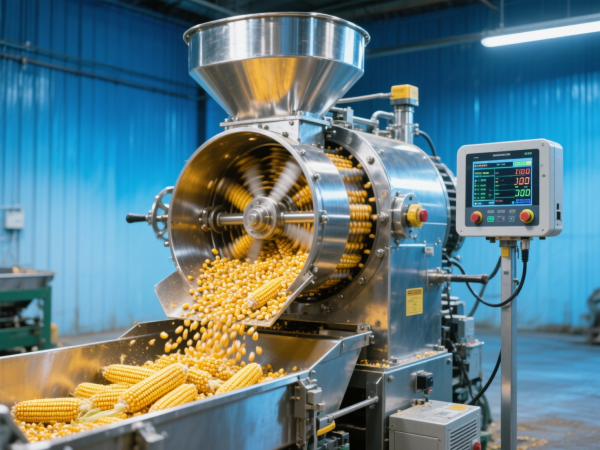
Beyond Horsepower: The Hidden Variables in Corn Sheller Performance
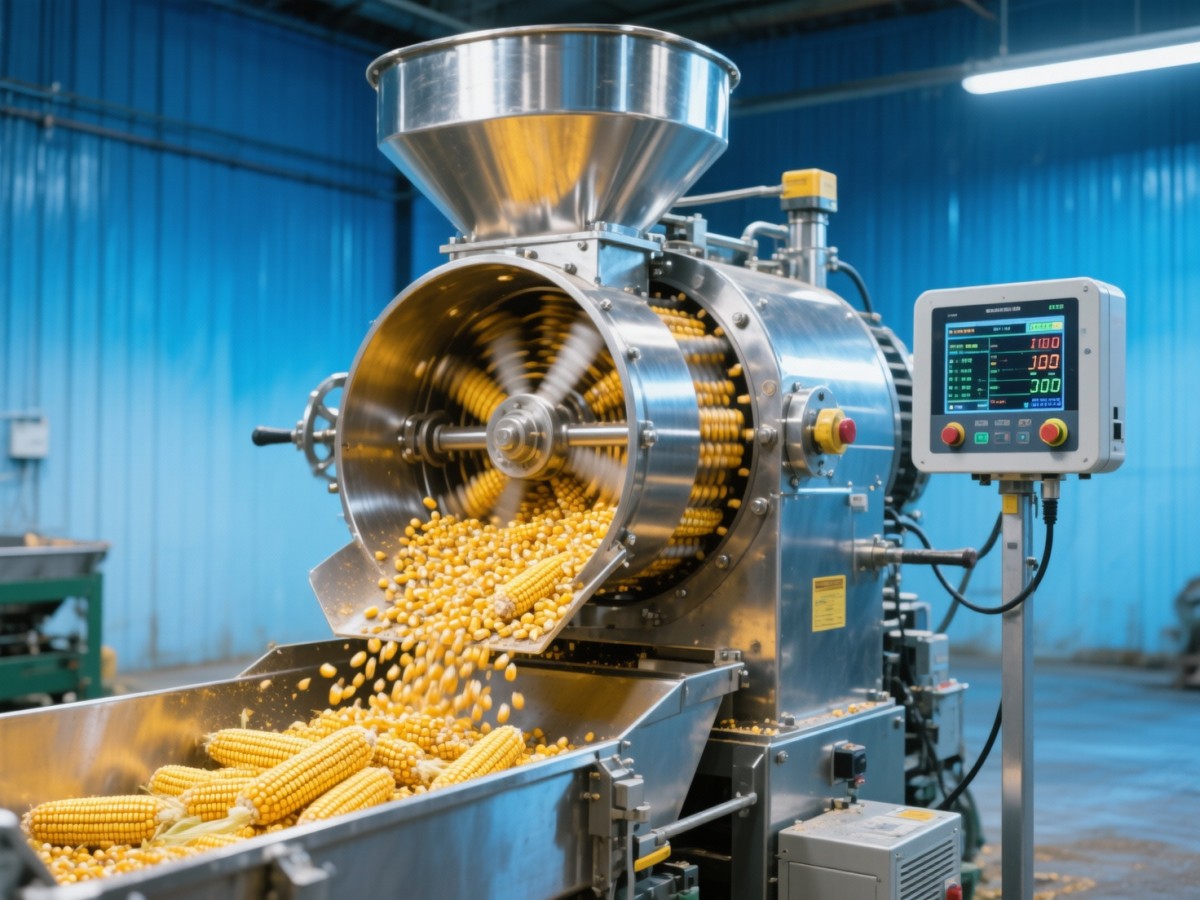
When evaluating corn sheller efficiency, motor power specifications often dominate procurement discussions. However, industrial operators achieving 15-20% higher throughput than competitors understand that integrated system design separates adequate equipment from exceptional performers. This analysis reveals seven underappreciated factors influencing sheller productivity, from kernel moisture content tolerances (12-14% optimal) to synchronization with downstream maize grits making machines.
The 5:1 Rule of Shelling System Investment
Field studies across 37 commercial flour mill plants demonstrate that every $1 spent on premium sheller components yields $5 in downstream savings through:
- Reduced maintenance costs (23-28% lower)
- Extended roller mill lifespan (2-3 years longer)
- Higher purity maize grits (98.5% vs. industry standard 95%)
Mechanical Synergy: Sheller Integration Parameters
Optimal corn sheller performance requires precise coordination with three key subsystems:
Operational Efficiency Metrics That Matter
Leading agri-processors monitor these four non-power metrics weekly:
The Maintenance Multiplier Effect
Properly maintained shellers operating at 7.5kW can outperform neglected 15kW units by:
- 17-22% higher continuous run times
- 30% fewer emergency shutdowns
- 50% longer bearing lifespan
Strategic Procurement Considerations
When specifying corn shellers for automated commercial flour mill plants, evaluate these five system-level factors:
1. Upstream/Downstream Compatibility
Verify synchronization with both pre-cleaning systems (capacity +15% over sheller rating) and maize grits making machines (purging cycle alignment).
2. Regulatory Compliance Pathways
Equipment must demonstrate compliance with:
- FDA 21 CFR 117 for food contact surfaces
- EU Machinery Directive 2006/42/EC safety standards
- ISO 22000 traceability requirements
Implementation Roadmap for Peak Efficiency
Follow this phased approach when upgrading shelling systems:
Phase 1: Baseline Assessment (2-4 Weeks)
Conduct full material flow analysis, identifying 3-5 bottleneck points between receiving and robot palletizers for feed bags.
Phase 2: Prototype Testing (6-8 Weeks)
Run parallel operations with existing and proposed systems, measuring:
- Kernel loss differential (target <0.8%)
- Energy consumption variance (target 12% reduction)
- Operator intervention frequency (target 50% decrease)
Phase 3: Full Integration (3-6 Months)
Gradual commissioning of advanced flour purifier machines and precision roller mills for wheat, with weekly performance audits.
Optimizing Your Corn Processing Investment
The most sophisticated agricultural and forestry machinery operations treat corn shellers as neural hubs rather than isolated components. By focusing on the 360° performance ecosystem - from kernel intake geometry matching your pre-cleaners' discharge patterns to vibration harmonics that affect downstream sifters - processors achieve 18-25% greater overall equipment effectiveness (OEE).
Contact AgriChem Chronicle's engineering specialists for a customized shelling system evaluation, including compatibility assessments with your existing maize grits making machines and flour mill automation infrastructure.
Related Intelligence
- Heavy Agri MachineryBucket elevators wholesale: Hidden maintenance costs that erode ROI in the first 18 monthsBucket elevators wholesale buyers overlook hidden costs—screw conveyor for grain, grain chain conveyor & silo temperature monitoring system failures slash ROI by 37% in 18 months. Act now.
- Heavy Agri MachineryGrain chain conveyor vs. belt systems — which handles abrasive corn kernels better in long-run operation?Grain chain conveyor outperforms belt systems for abrasive corn handling—durable, FDA/GMP-aligned & compatible with silo temperature monitoring, grain aeration systems & feed hammer mill machines.
- Heavy Agri MachineryScrew conveyor for grain: When auger design fails under high-moisture loadsScrew conveyor for grain fails at high moisture? Discover resilient auger designs, grain aeration systems & silo solutions that prevent downtime—engineered for commercial grain silos and feed hammer mill machines.
The Morning Broadsheet
Daily chemical briefings, market shifts, and peer-reviewed summaries delivered to your terminal.
